
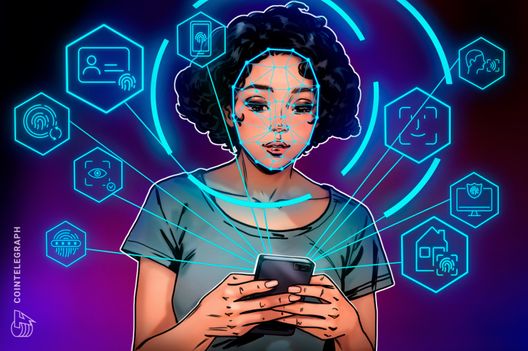
I still remember the day I realized the true power of cryptocurrency: it wasn't just about making money, but about reclaiming our digital sovereignty. As we head into 2026, the crypto community is abuzz with the promise of decentralized identity and the potential for privacy-first alternatives to traditional surveillance systems.
The convergence of crypto, governments, and Big Tech on digital identity has sparked a heated debate about the future of our personal data. It's a complex issue, but one that ultimately boils down to a simple question: who should control our digital lives? As I see it, the answer is clear: we should.
The Rise of Decentralized Identity
Decentralized identity solutions are emerging as a beacon of hope in the quest for digital privacy. By leveraging selective disclosure and zero-knowledge proofs, individuals can reclaim control over their personal data and share only what's necessary. This paradigm shift has far-reaching implications for the way we interact with digital systems.
- Decentralized identity solutions prioritize user autonomy and agency
- Selective disclosure enables users to share specific information without revealing their entire identity
- Zero-knowledge proofs provide a secure and private way to verify information without revealing underlying data
As we navigate this new landscape, it's essential to consider the potential risks and challenges associated with decentralized identity solutions. From regulatory hurdles to technical complexities, there are many obstacles to overcome. However, the potential rewards are well worth the effort: a more private, more secure, and more equitable digital ecosystem.
Key Takeaways and Implications
So, what does this mean for everyday people? In a nutshell, decentralized identity solutions offer a chance to reclaim our digital autonomy and protect our personal data. Here are some key takeaways and implications:
- Decentralized identity solutions can help reduce the risk of data breaches and identity theft
- Selective disclosure and zero-knowledge proofs can enable more secure and private online interactions
- The adoption of decentralized identity solutions may require significant changes to existing regulatory frameworks
As I look to the future, I'm filled with a sense of hope and curiosity. The potential for decentralized identity solutions to transform our digital lives is vast and exciting. However, it's crucial to approach this new frontier with caution and critical thinking, recognizing both the opportunities and the challenges that lie ahead.
Our Take
As someone who's been around the crypto block a few times, I've learned to be skeptical of hype and value truth over trends. Decentralized identity solutions are no exception: while they hold tremendous promise, they also require careful consideration and nuanced evaluation. As we embark on this journey, let's remember to stay grounded, stay curious, and stay committed to the principles of privacy and autonomy.
In the end, the future of digital identity is not just about technology – it's about people, values, and the kind of world we want to create. As we navigate the complexities of decentralized identity, let's not forget the power of human connection and empathy in shaping our digital lives.