I've seen this before - the devastating effects of economic instability on ordinary people. Back in 2017, I witnessed firsthand the chaos that ensued when Venezuela's economy began to collapse. The value of the bolivar plummeted, leaving many without access to basic necessities. It was a stark reminder of the importance of having a reliable store of value, like Bitcoin.
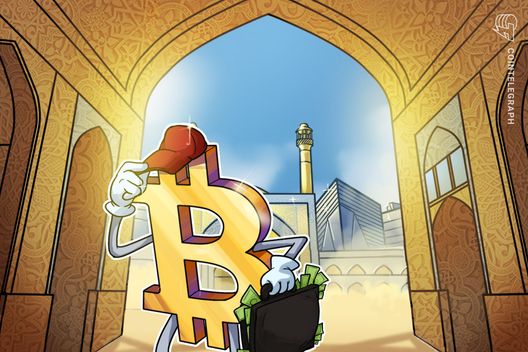
Fast forward to the present, and we're seeing a similar scenario unfold in Iran. The rial has hit record lows, prompting widespread protests in the capital. It's a grim reminder that, even in this day and age, fiat currencies can be fragile and susceptible to collapse. What many newcomers don't realize is that Bitcoin was created, in part, to address this very issue - to provide a decentralized, secure, and transparent alternative to traditional financial systems.
The Case for Bitcoin
So, how can Bitcoin help in situations like this? For starters, it offers a store of value that's not tied to any particular government or institution. This means that, even if a country's economy is in shambles, the value of Bitcoin can remain relatively stable. Additionally, Bitcoin's decentralized nature makes it resistant to censorship and confiscation, providing a safe haven for those looking to protect their savings.
- Decentralized and secure, reducing the risk of government seizure or manipulation
- Transparent, with all transactions recorded on a public ledger
- Limited supply, which helps to prevent inflation and maintain value over time
Implications and Limitations
While Bitcoin certainly has its benefits, it's essential to approach this topic with a critical and nuanced perspective. We need to consider the potential limitations and challenges of using cryptocurrency in countries with strict capital controls or limited access to technology. What if, for instance, the Iranian government were to impose harsh restrictions on Bitcoin use? How would that impact the ability of citizens to access and utilize this alternative store of value?
The key to success in crypto is not to get caught up in the hype, but to focus on the fundamentals - security, transparency, and decentralization.
As I look to the future, I'm filled with a sense of hope and caution. While Bitcoin has the potential to provide a safeguard against economic uncertainty, it's crucial that we approach this topic with a clear-eyed view of both the benefits and the challenges. We must prioritize education, awareness, and critical thinking in our pursuit of a more secure and transparent financial system.
My Take
As a battle-tested crypto veteran, I've seen my fair share of market cycles and economic fluctuations. And while I'm optimistic about the potential of Bitcoin to provide a store of value in times of uncertainty, I'm also wary of the hype and speculation that can surround this space. We need to stay grounded, focus on the fundamentals, and prioritize the needs of those who stand to benefit most from this technology.
So, what's the takeaway from all this? In my opinion, it's simple: Bitcoin matters, but it's not a panacea. It's a tool, a potential solution to a complex problem, and it's up to us to use it wisely. And with that, I'll leave you with a final thought - in the world of crypto, it's not about being right or wrong, it's about being prepared for the unexpected.