I've seen this before - a moment of national pride, a symbol of hope, and a reminder that every individual can reach their fullest potential. This year marks the 20th Anniversary of the Convention on the Rights of Persons with Disabilities (CRPD), a landmark United Nations treaty dedicated to protecting and promoting the rights, dignity, and full participation of persons with disabilities.
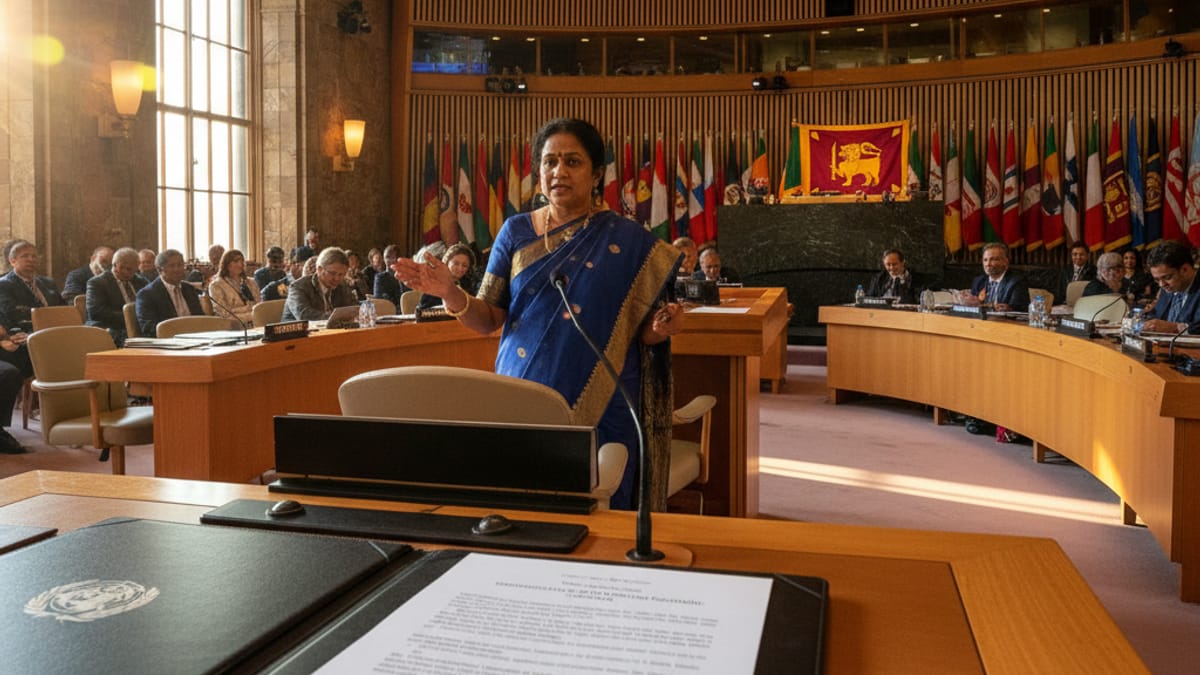
As part of this year's commemorations, Sri Lanka will chair the 19th Session of the Conference of States Parties to the Convention on the Rights of Persons with Disabilities. The conference, to be held at the United Nations Headquarters in New York, brings together governments, policymakers, advocates, and disability leaders from around the world to review progress, share best practices, and advance the global disability rights agenda.
Progress in Sri Lanka
Over the years, Sri Lanka has taken important steps towards strengthening inclusion and accessibility for persons with disabilities. These efforts include:
- Inclusive education policies
- Examination accommodations for students with disabilities
- Social protection initiatives such as Aswesuma and Prajashakthi
- Vocational training and rehabilitation programs
- Community empowerment initiatives aimed at promoting independent living and economic participation
Against this backdrop of progress, Sri Lanka will be represented at the conference by prominent disability rights advocate, Nilshani De Silva. Nilshani has been officially selected by the Government of Sri Lanka to represent the nation as its Youth Representative and has received the distinct honor of being invited to address the opening session on 9 June alongside the Secretary-General of the United Nations and other distinguished international leaders.
The Web3 Angle
What many newcomers don't realize is that the principles of disability rights and inclusion can be applied to the world of crypto and web3. The use of blockchain technology and digital assets can provide new opportunities for persons with disabilities to participate fully and equally in all aspects of life. For example, the use of stablecoins and remittances can provide access to financial services for persons with disabilities who may have been previously excluded. Additionally, the tokenization of assets can provide new opportunities for persons with disabilities to participate in the economy.
As I look to the future, I'm filled with hope and curiosity about the potential of web3 to promote disability inclusion and equal rights. I've seen this before - the power of technology to transform lives and create new opportunities. And I believe that the principles of disability rights and inclusion can be a powerful catalyst for innovation and progress in the world of crypto and web3.
Our Take
Back in 2017, I was skeptical about the potential of crypto and web3 to promote social change. But as I've seen the progress that has been made, I'm convinced that this technology has the power to transform lives and create new opportunities. And I believe that the principles of disability rights and inclusion can be a powerful catalyst for innovation and progress in the world of crypto and web3.
So, what's the takeaway? It's simple: the future of disability rights and inclusion is not just about disability rights, it's about creating a more inclusive and equitable society for all. And that's a future that I'm excited to be a part of.