

The data shows that Bitcoin's price has been highly sensitive to the ongoing US-Iran conflict, with the collapse of talks leading to a significant increase in oil prices and a subsequent drop in Bitcoin's price to $70,540.
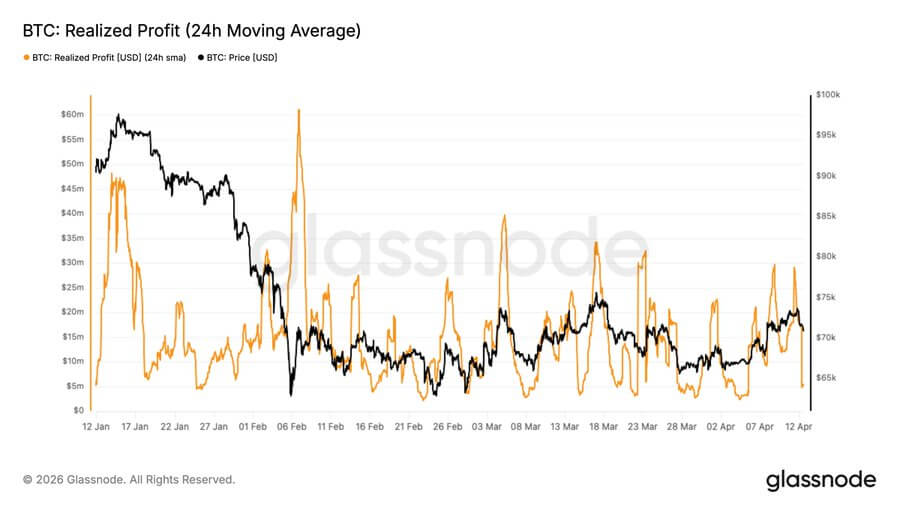
Looking at on-chain metrics, it is clear that the market is highly volatile, with a large number of addresses in loss and a significant amount of profit-taking occurring in the $70,000 to $80,000 range.
Impact of US-Iran Talks on Bitcoin Price
Statistically speaking, the collapse of US-Iran talks has led to a significant increase in oil prices, with Brent crude rising by over 8% to top $103 a barrel.
The data also shows that Bitcoin's price has been highly correlated with oil prices, with a significant increase in oil prices leading to a subsequent drop in Bitcoin's price.
- The number of addresses in loss stands at around 13.5 million, indicating that a significant number of holders acquired coins above current levels.
- The $70,000 to $80,000 range has been marked by thin liquidity and repeated profit-taking, conditions that have capped recent bounces.
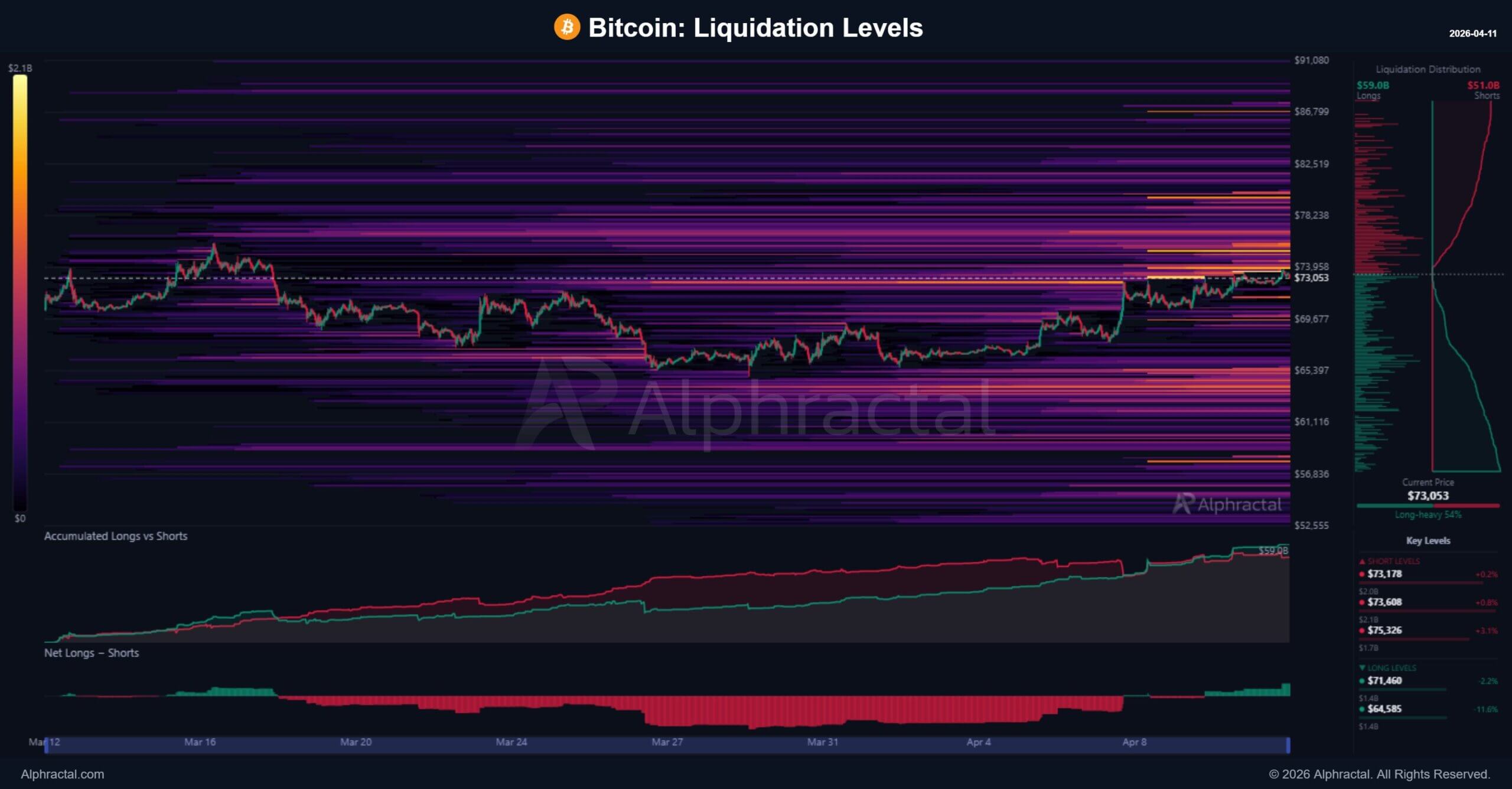
- Bitcoin funding rates remain negative at around -0.0065%, a sign that short positions have come to dominate very short-term positioning.
Institutional Demand and ETF Inflows
Despite the current market volatility, institutional demand for Bitcoin remains strong, with $786 million in inflows in the past week.
This demand is significant, as it provides a source of absorption for selling pressure and could help to stabilize the market.
- US-listed Bitcoin exchange-traded funds posted their strongest weekly inflows since February, with $786 million in inflows in the past week.
- BlackRock's iShares Bitcoin Trust accounted for $612 million of the total inflows.
- Morgan Stanley's newly launched MSBT fund added $46 million in its first three trading days.
Oil, Inflation, and Flows: The Next Move
The market is entering the new week facing two competing forces: improving capital flows into Bitcoin investment products and rising macro risk linked to the Middle East.
The conflict's trajectory, inflation data, and Federal Reserve communication will shape whether traders begin to price a longer period of restrictive policy.
Bitcoin is approaching an important test inside the $70,000 to $80,000 zone, with stability above $70,000 leaving room for faster upside movement.
Our Take
As a data-driven analyst, I believe that the current market volatility is a reflection of the ongoing US-Iran conflict and the subsequent increase in oil prices.
However, the strong institutional demand for Bitcoin, as evidenced by the significant inflows into ETFs, provides a source of support for the market.
The key to success in this market is to stay informed, do your own research, and not get caught up in the hype.