
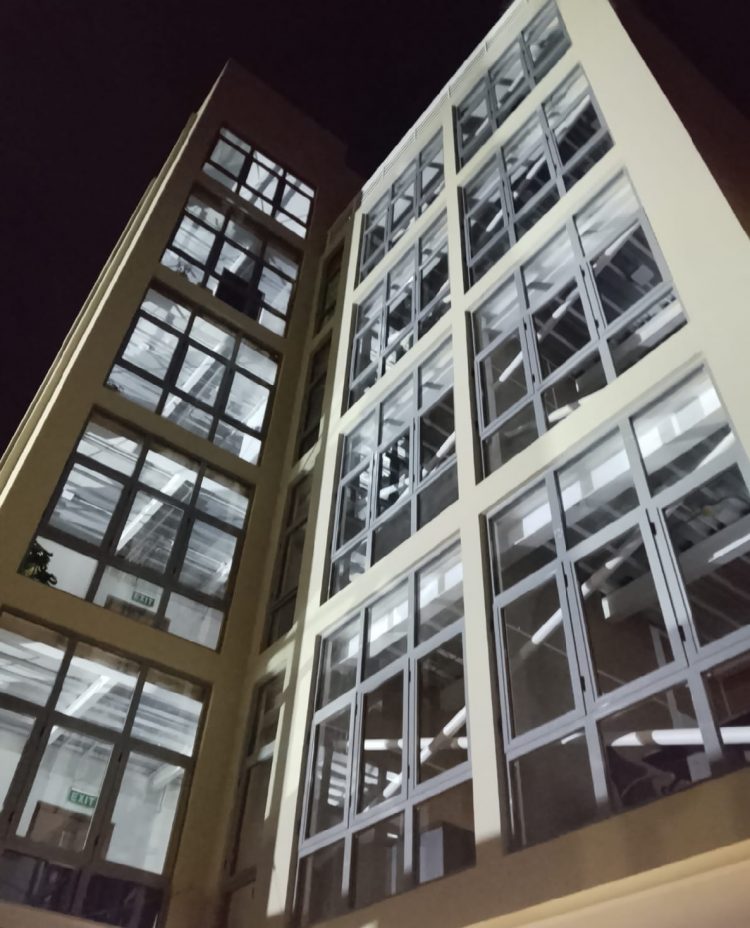
I've seen this before - a country's health infrastructure being bolstered by international cooperation and innovative design. The inauguration of the Colombo Port Health Office is a testament to what can be achieved when different entities come together to address a critical need.
The project, constructed through a grant from the Government of Japan and implemented by the International Organization for Migration, sets a benchmark for efficient, self-contained office buildings in Sri Lanka. What many newcomers don't realize is that such projects are not just about building structures, but about creating a foundation for better public health and border security.
The Significance of the Project
The Colombo Port Health Office is more than just a building - it's a symbol of Sri Lanka's commitment to enhancing its health infrastructure. Back in 2017, I recall discussing the potential of such projects in improving a country's overall well-being. Now, we're seeing it become a reality.
- The project strengthens Sri Lanka's health infrastructure and emergency preparedness.
- The building's design philosophy balances operational efficiency with contemporary architectural expression.
- The use of advanced materials and self-cleaning properties ensures durability in the harsh marine environment.
The Web3 Angle
As we look at the Colombo Port Health Office, it's essential to consider how such projects can be replicated or improved using blockchain technology and digital assets. For instance, the use of blockchain in supply chain management could enhance the efficiency of health infrastructure projects. Moreover, digital assets like stablecoins could facilitate cross-border payments, making it easier for countries to collaborate on such initiatives.
- Blockchain technology can improve supply chain management in health infrastructure projects.
- Digital assets like stablecoins can facilitate cross-border payments and collaborations.
- The use of cryptocurrency and blockchain can increase transparency and accountability in international aid projects.
Our Take
I've seen this before - the potential of international cooperation and innovative design to transform a country's health infrastructure. As we move forward, it's crucial to consider how Web3 technologies can be integrated into such projects to create even more efficient, secure, and transparent systems.
What if we could use blockchain to create a global network of health infrastructure projects, facilitating collaboration and knowledge sharing between countries? The possibilities are endless, and it's up to us to explore them.