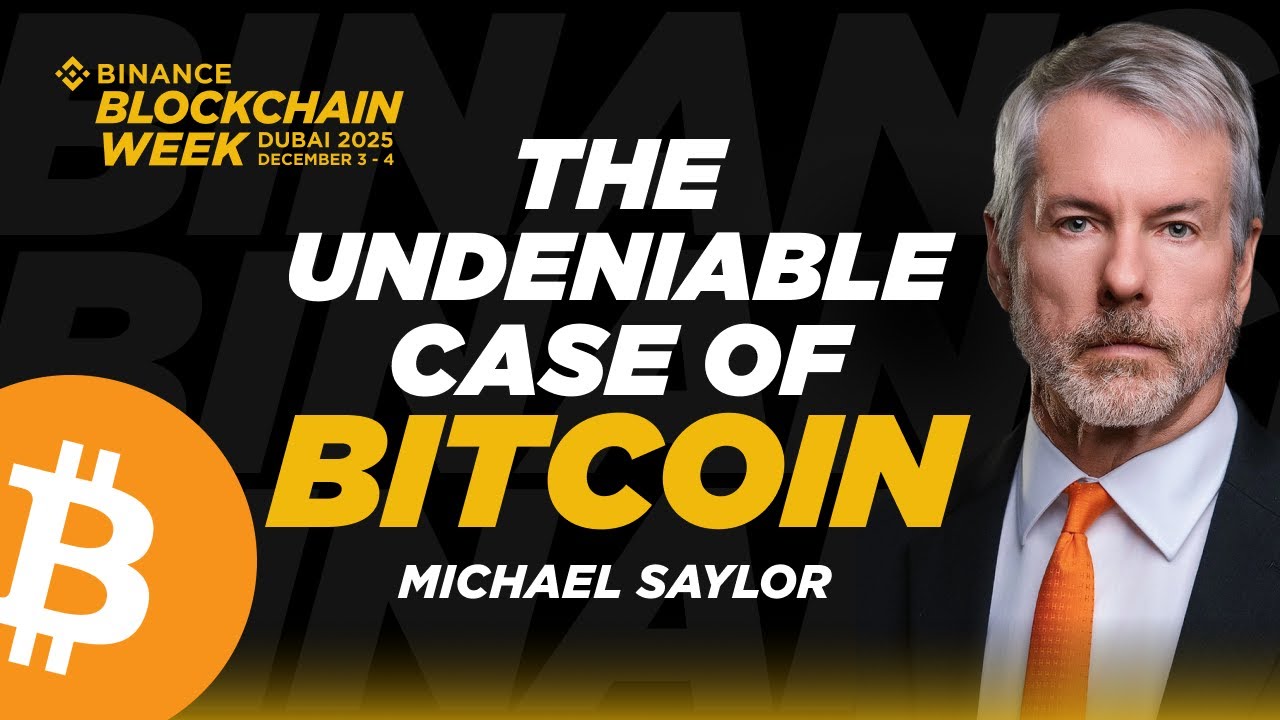

I still remember the day I first heard about Bitcoin. It was 2017, and the price had just skyrocketed to nearly $20,000. As a tokenomics specialist, I was skeptical at first, but as I dug deeper, I realized this wasn't just a passing fad. The crypto market was evolving rapidly, and regulation was lagging behind.
The European Union's Markets in Crypto-Assets regulation, known as MiCA, aims to bring clarity to the crypto space. However, as Patrick Gruhn, founder and chief executive of Perpetuals.com, points out, MiCA was never meant to address the giant crypto derivatives market. This could pose a serious problem, as derivatives are often the riskiest part of the crypto market. Token utility drives the value of cryptocurrencies, but without proper oversight, the market may be exposed to excessive risk.
The Regulatory Rift
The crypto derivatives market is a significant part of the overall crypto market. It allows investors to bet on the price of cryptocurrencies without actually owning them. However, this market is largely unregulated, and it poses a significant risk to investors. The emission schedule of cryptocurrencies can also impact the derivatives market, as changes in supply and demand can affect the price of derivatives. Economic sustainability requires a comprehensive approach to regulation, one that takes into account the complexities of the crypto market.
- The crypto derivatives market is largely unregulated
- Derivatives pose a significant risk to investors
- Regulation must take into account the complexities of the crypto market
As I look to the future, I'm filled with hope and curiosity. The crypto market has the potential to revolutionize the way we think about finance, but it requires a comprehensive approach to regulation. The emission schedule and token utility drive the value of cryptocurrencies, but without proper oversight, the market may be exposed to excessive risk. What if Europe's regulatory approach sets a precedent for other countries? Could this lead to a more comprehensive approach to regulation, or will it create a regulatory rift that leaves the riskiest window open?
Our Take
As a tokenomics specialist, I believe that economic sustainability requires a comprehensive approach to regulation. The crypto market is complex, and it requires a nuanced approach to regulation. The emission schedule and token utility drive the value of cryptocurrencies, but without proper oversight, the market may be exposed to excessive risk. We need to do our own research and not rely on hype, we need to support projects that prioritize transparency, and we need to be aware of the risks involved.
Stay informed with the latest crypto news, web3 news, and blockchain news from reputable sources like Coindesk and Bitcoin insiders. Follow crypto hot topics and crypto blogs to stay up-to-date on the latest developments in the crypto space. Economic sustainability requires a long-term focus, and as a tokenomics specialist, I'm committed to providing analysis and insights that help investors make informed decisions.