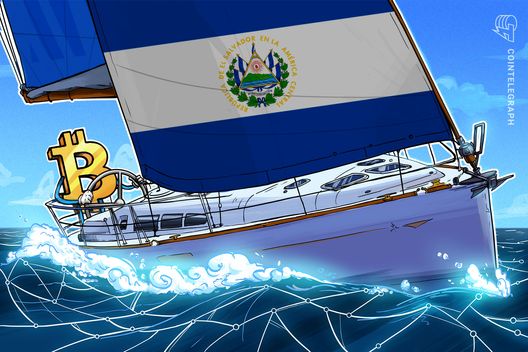
I still remember the day El Salvador made headlines by adopting Bitcoin as a legal tender. It was a bold move that sparked both excitement and skepticism. As I reflect on the journey so far, I realize that the path to widespread adoption is paved with challenges.
Four years ago, El Salvador started its ambitious Bitcoin adoption strategy, aiming to make the cryptocurrency a part of everyday life. However, in 2025, that plan came to a head with the International Monetary Fund (IMF), which has been closely monitoring the situation. The IMF's concerns about the potential risks associated with Bitcoin adoption have brought El Salvador's aspirations back down to earth.
The Challenges Ahead
Despite the initial enthusiasm, El Salvador's Bitcoin adoption has faced several hurdles. The lack of infrastructure, regulatory uncertainty, and volatility of the cryptocurrency market have all contributed to a slower-than-expected adoption rate. Furthermore, the IMF's warnings about the potential risks of Bitcoin adoption have added to the challenges faced by the country.
- The lack of clear regulations has created uncertainty among businesses and individuals
- The volatility of the cryptocurrency market has made it difficult to predict the value of Bitcoin
- The limited infrastructure has hindered the widespread adoption of Bitcoin
The IMF's concerns are not unfounded. The adoption of Bitcoin as a legal tender can have significant implications for a country's economy, including the potential for financial instability and the risk of money laundering. However, it's also important to consider the potential benefits of Bitcoin adoption, such as increased financial inclusion and access to new markets.
What This Means for Everyday People
For the people of El Salvador, the challenges faced by the government's Bitcoin adoption strategy can have a direct impact on their daily lives. The uncertainty surrounding the regulatory environment and the volatility of the cryptocurrency market can make it difficult for individuals and businesses to make informed decisions about using Bitcoin.
- Individuals may be hesitant to use Bitcoin due to the lack of clear regulations and the risk of financial instability
- Businesses may be slow to adopt Bitcoin due to the uncertainty surrounding its value and the potential risks associated with its use
- The limited infrastructure can make it difficult for people to access Bitcoin and use it for everyday transactions
Despite these challenges, there are still many who believe in the potential of Bitcoin to bring about positive change. As the situation continues to evolve, it's essential to consider the perspectives of all stakeholders involved and to work towards finding solutions that balance the risks and benefits of Bitcoin adoption.
Our Take
As I reflect on El Salvador's Bitcoin adoption journey, I'm reminded that the path to innovation is often paved with obstacles. While the challenges faced by the government's strategy are significant, they also present an opportunity for growth and learning. By acknowledging the risks and working towards addressing them, El Salvador can continue to move forward with its Bitcoin adoption plans, albeit with a more nuanced and cautious approach.
The future of Bitcoin adoption in El Salvador is uncertain, but one thing is clear: the country's aspirations have been brought back down to earth, and it's time to reassess and adjust the strategy accordingly. As the situation continues to unfold, I'm left wondering: what's next for El Salvador's Bitcoin dreams?