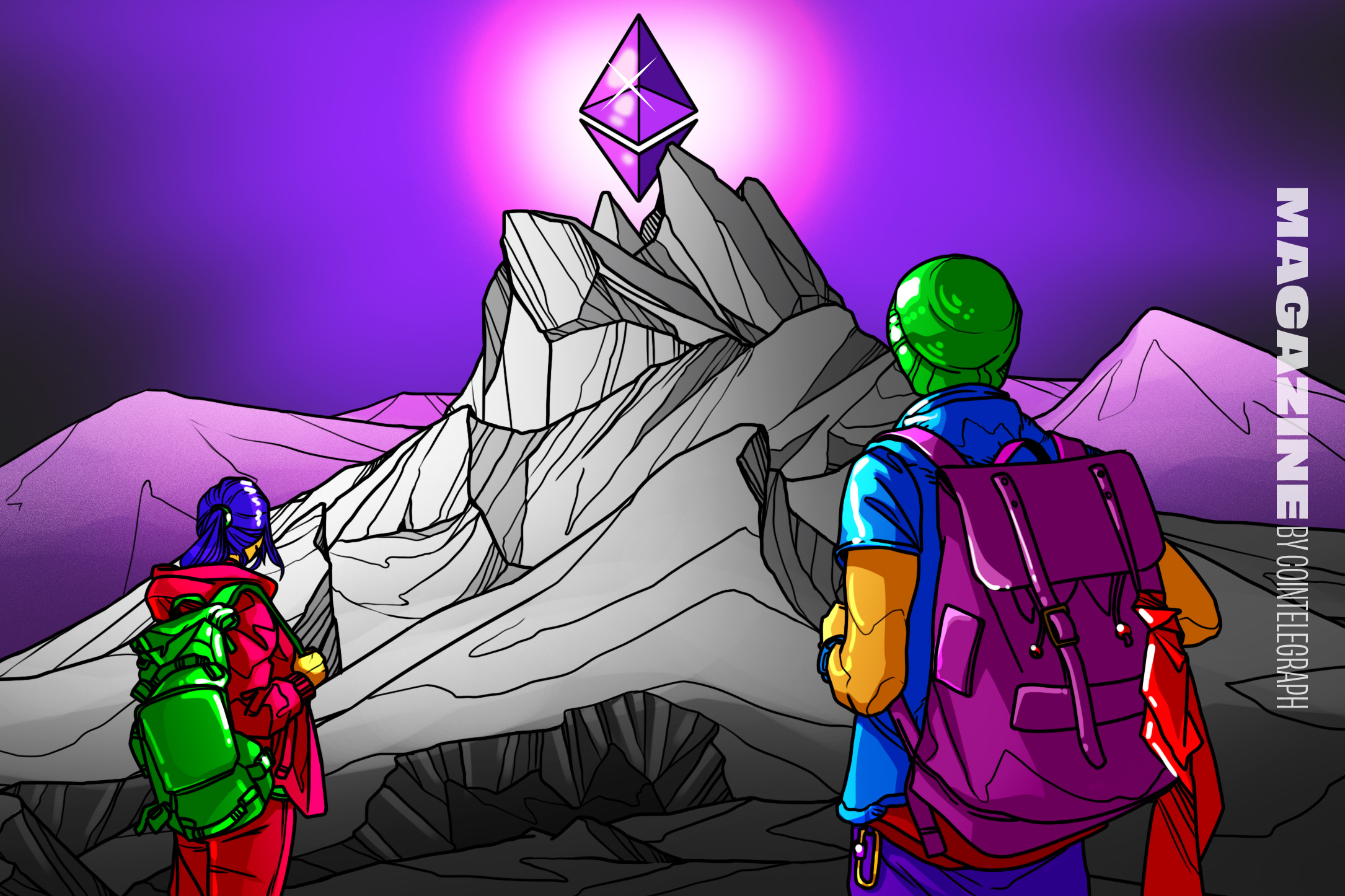

I still remember the days when the concept of the blockchain trilemma seemed insurmountable. It was a challenge that had puzzled developers and theorists alike: how to achieve scalability, security, and decentralization all at once.
But, as Vitalik Buterin has recently pointed out, advancements in technologies like PeerDAS and ZK-EVMs may have finally provided the solutions we've been waiting for. This is a moment I've seen coming, yet it's still exhilarating to consider the potential implications.
The Blockchain Trilemma: Understanding the Challenge
The trilemma, in essence, is about balancing three critical aspects of blockchain design: scalability (the ability to process a high volume of transactions), security (protecting the network from attacks and fraud), and decentralization (ensuring that the network remains open and not controlled by a single entity). Historically, improving one aspect has meant compromising on another.
- Scalability without security compromises is a delicate balance, as evidenced by past attempts to scale Ethereum and other blockchains.
- Security measures, such as robust encryption and complex consensus algorithms, can sometimes hinder scalability and decentralization efforts.
- Decentralization, the core principle of blockchain, can be challenging to maintain as the network grows and becomes more complex, requiring innovative solutions to ensure distributed control.
PeerDAS and ZK-EVMs: The Solution to the Trilemma?
According to Buterin, PeerDAS and ZK-EVMs (Zero-Knowledge Ethereum Virtual Machines) represent a significant breakthrough. PeerDAS is designed to enhance the scalability and usability of the Ethereum network, potentially allowing for a more seamless user experience without sacrificing security or decentralization. Meanwhile, ZK-EVMs leverage zero-knowledge proofs to enable the verification of transactions without revealing the underlying data, a powerful tool for enhancing privacy and security on the blockchain.
These technologies, if successfully integrated, could mark a turning point for Ethereum and the broader crypto landscape. The ability to scale securely and maintain decentralization would open up new possibilities for blockchain applications, from finance and governance to social media and beyond.
Our Take
I've seen this before - the excitement and anticipation that come with major breakthroughs in the crypto space. Yet, what many newcomers don't realize is that the real work begins after the initial hype. Implementing these solutions, ensuring their stability, and continually improving them is a long-term commitment.
As we move forward, it's essential to stay grounded and focused on the fundamentals. The blockchain trilemma's solution is not just about technology; it's about creating a sustainable, equitable, and secure ecosystem for all users. And that, I believe, is a challenge worth undertaking.