
I've seen this before - the eternal struggle between traditional finance and the emerging world of crypto news and web3 news. As a battle-tested crypto veteran, I've lived through multiple market cycles, and I'm always on the lookout for the next big thing. Back in 2017, I remember the hype surrounding Bitcoin and the potential for cryptocurrency to disrupt traditional finance.
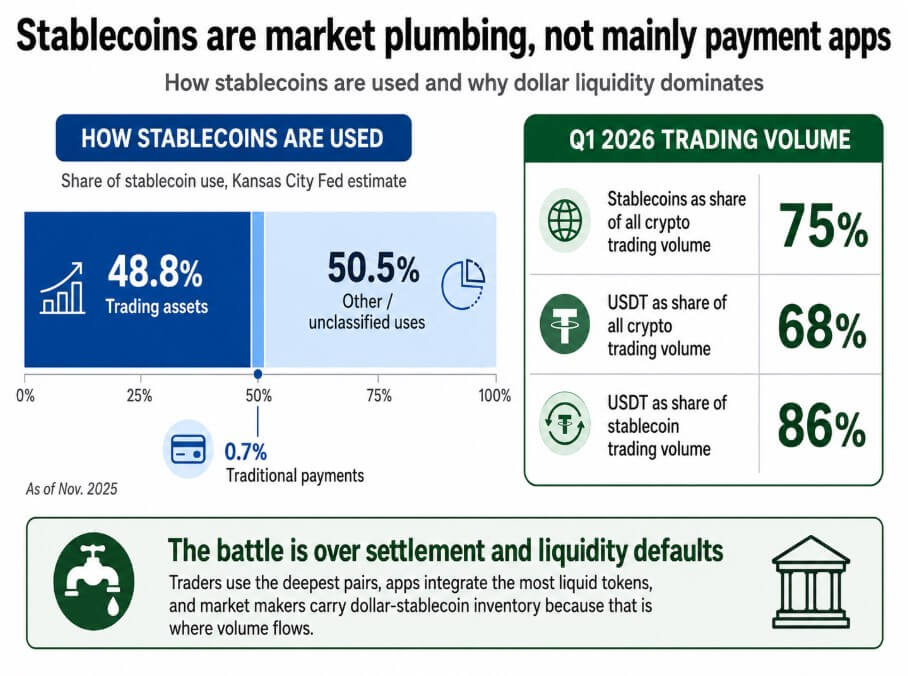
What many newcomers don't realize is that the stablecoin market is a critical component of the crypto ecosystem. With a global market size of $322.1 billion, stablecoins have become a staple of crypto trading and defi. However, the dominance of dollar-denominated stablecoins like USDT and USDC has created a challenge for European corporates, who must navigate currency exposure when using these stablecoins for cross-border payments and blockchain-based bond settlement.
The Quest for Euro-Denominated Stablecoins
The Qivalis consortium, backed by 37 banks across 15 countries, aims to launch a euro-denominated stablecoin that can reduce European corporates' dependence on dollar-denominated stablecoins. This move could potentially create a more bitcoin-like ecosystem, where ethereum and other blockchain news platforms can thrive. However, the path to success is not without its challenges. The consortium must navigate regulatory hurdles, compete with established players like USDT and USDC, and convince corporates to adopt the new stablecoin.
- The global stablecoin market is expected to grow to $500 billion by the end of 2028, implying 18.6% annualized growth.
- The euro-denominated stablecoin market currently accounts for less than 1% of the global stablecoin market.
- Qivalis's bank distribution network could provide a compliance advantage and facilitate the adoption of euro-denominated stablecoins.
Implications for the Crypto Ecosystem
The outcome of Europe's stablecoin push will have significant implications for the crypto ecosystem. If Qivalis succeeds in establishing a credible euro-denominated stablecoin, it could create a more diverse and resilient web3 news landscape. However, if the consortium fails to gain traction, it could reinforce the dominance of dollar-denominated stablecoins and create a bitcoin-like ecosystem that is heavily reliant on the US dollar.
- The success of Qivalis could create a more diverse and resilient crypto ecosystem.
- The failure of Qivalis could reinforce the dominance of dollar-denominated stablecoins.
- The outcome will depend on various factors, including regulatory treatment, market demand, and the ability of Qivalis to establish a credible euro-denominated stablecoin.
Our Take
As a crypto veteran, I've seen the crypto hot topics and crypto blogs come and go. However, the push for euro-denominated stablecoins is a significant development that could have far-reaching implications for the blockchain news and finance news landscape. Whether Qivalis succeeds or fails, one thing is certain - the cryptocurrency market will continue to evolve and adapt to the changing needs of users and regulators.
In the end, it's not just about bitcoin or ethereum - it's about creating a more diverse and resilient web3 news ecosystem that can thrive in a rapidly changing world. As I always say, crypto news is not just about the technology - it's about the people and the use cases that drive adoption and innovation.