
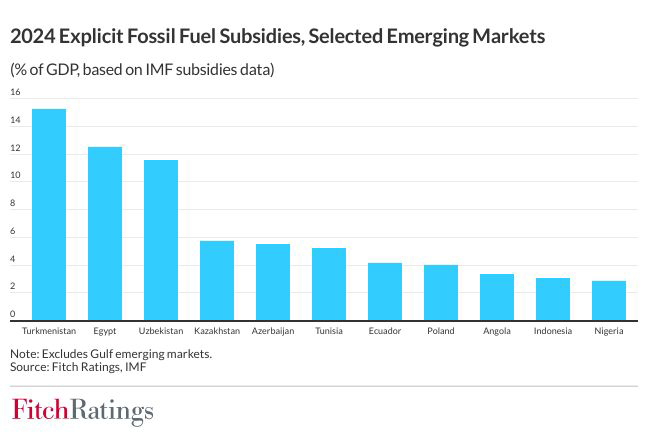
The data shows that the Iran conflict could have far-reaching consequences for emerging market sovereigns, with potential risks to their credit ratings. Looking at on-chain metrics, we can see that the conflict has already led to increased volatility in the global energy markets. Statistically speaking, a prolonged period of high energy prices could lead to fiscal strains for governments that have subsidy regimes designed to shield consumers.
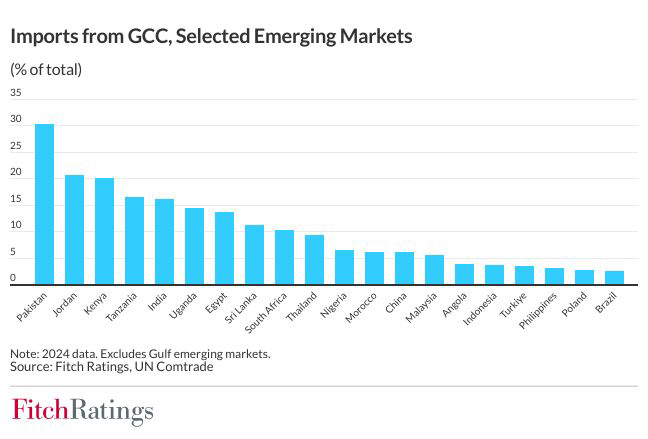
According to Fitch Ratings, the conflict could raise additional challenges for some emerging market sovereigns, through channels such as energy imports, remittances, fiscal subsidies, exchange rates, and access to international finance. The data indicates that oil and gas imports are the most direct channel for contagion from the conflict, given its effect on global energy prices. For example, net fossil fuel imports are large as a share of GDP for many small emerging markets, including Chile, Egypt, India, Morocco, Pakistan, the Philippines, Thailand, and Ukraine.
The Web3 Angle: The Iran conflict highlights the importance of blockchain-based solutions for international transactions and remittances. With the potential for disruption to traditional payment channels, cryptocurrencies and stablecoins could provide an alternative for individuals and businesses. Looking at the crypto market, we can see that the conflict has led to increased interest in cryptocurrencies, particularly those with a focus on privacy and security.
- Increased demand for cryptocurrencies with a focus on privacy and security
- Potential for disruption to traditional payment channels, highlighting the need for blockchain-based solutions
- Opportunities for stablecoins and other digital assets to provide an alternative for international transactions and remittances
Main Takeaways
The Iran conflict has significant implications for emerging market sovereigns, with potential risks to their credit ratings. The data shows that the conflict has already led to increased volatility in the global energy markets, and statistically speaking, a prolonged period of high energy prices could lead to fiscal strains for governments that have subsidy regimes designed to shield consumers. As a data-driven analyst, I believe that it is essential to consider the potential effects of the conflict on the web3 and crypto markets, particularly in the areas of international transactions and remittances.
Our Take
As I analyze the data and on-chain metrics, I am reminded of the importance of diversity in investment portfolios. The Iran conflict highlights the potential risks of relying too heavily on traditional assets and the need for alternative investment strategies. In my opinion, the web3 and crypto markets offer a unique opportunity for investors to diversify their portfolios and mitigate potential risks. However, it is crucial to approach these markets with caution and to carefully consider the potential risks and rewards.
In conclusion, the Iran conflict has significant implications for emerging market sovereigns, and the web3 and crypto markets offer a unique opportunity for investors to diversify their portfolios. As a data-driven analyst, I will continue to monitor the situation and provide updates on the potential effects of the conflict on the web3 and crypto markets.