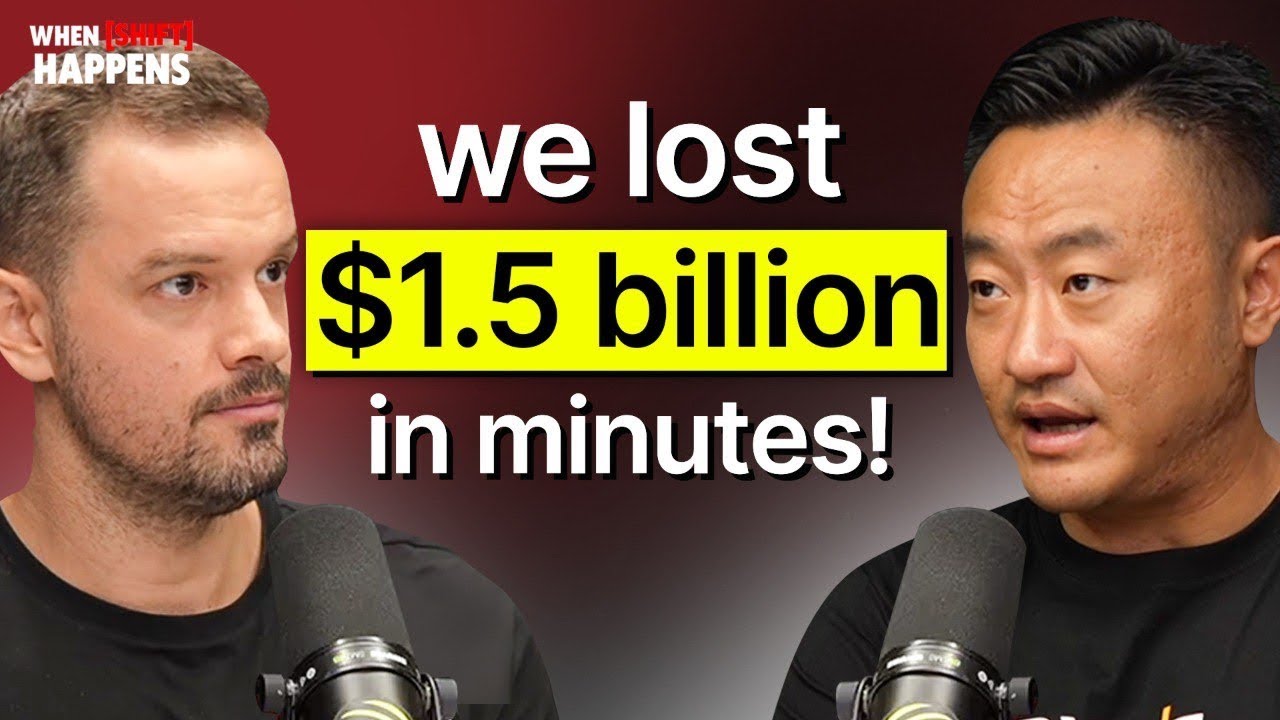

I still remember the first time I invested in a tokenized asset. It was like buying a ticket to a exclusive club, where only a handful of people knew the password. The idea was exciting - owning a piece of something unique, like a rare art piece or a chunk of real estate, without the hassle of physical ownership. But as I delved deeper, I realized that the real challenge wasn't accessibility, but liquidity.
The Liquidity Conundrum
Carlos Domingo, the co-founder and CEO of Securitize, hit the nail on the head when he said that liquidity is the key to tokenized assets flourishing. It's not just about being able to buy and sell, but about being able to do so quickly and at a fair price. Without liquidity, these assets are like collector's items - valuable, but only to a select few.
I recall a conversation I had with a friend who invested in a tokenized real estate project. He was excited about the potential returns, but soon realized that selling his tokens was like trying to find a buyer for a rare collectible. The market was illiquid, and he ended up selling at a significant loss. It was a hard lesson to learn, but it drove home the importance of liquidity in the world of tokenized assets.
The Role of Exchanges and Market Makers
So, how do we create liquidity in the market for tokenized assets? The answer lies in the role of exchanges and market makers. Exchanges provide a platform for buyers and sellers to meet, while market makers provide the necessary liquidity to facilitate trades. It's a delicate balance, as market makers need to be incentivized to provide liquidity, while exchanges need to ensure that their platforms are secure and trustworthy.
I've seen firsthand how a lack of liquidity can lead to market volatility. When there are only a few buyers and sellers in the market, small trades can have a significant impact on prices. It's like trying to navigate a stormy sea - unpredictable and potentially treacherous. But with sufficient liquidity, the market becomes more stable, and investors can buy and sell with confidence.
- Liquidity provides a safety net for investors, allowing them to exit their positions quickly if needed.
- It facilitates price discovery, ensuring that assets are valued fairly and accurately.
- And it enables market participants to hedge their risks, reducing the overall volatility of the market.
The Future of Tokenized Assets
As I look to the future, I'm excited about the potential of tokenized assets. They have the potential to democratize access to investment opportunities, allowing people from all over the world to participate in the global economy. But for this to happen, we need to address the liquidity challenge. We need to create platforms that are secure, trustworthy, and liquid, and we need to incentivize market makers to provide the necessary liquidity.
It's a complex problem, but I'm hopeful that we can solve it. As I always say, the future of finance is being written in code, and it's up to us to ensure that it's a story of inclusion, accessibility, and liquidity.