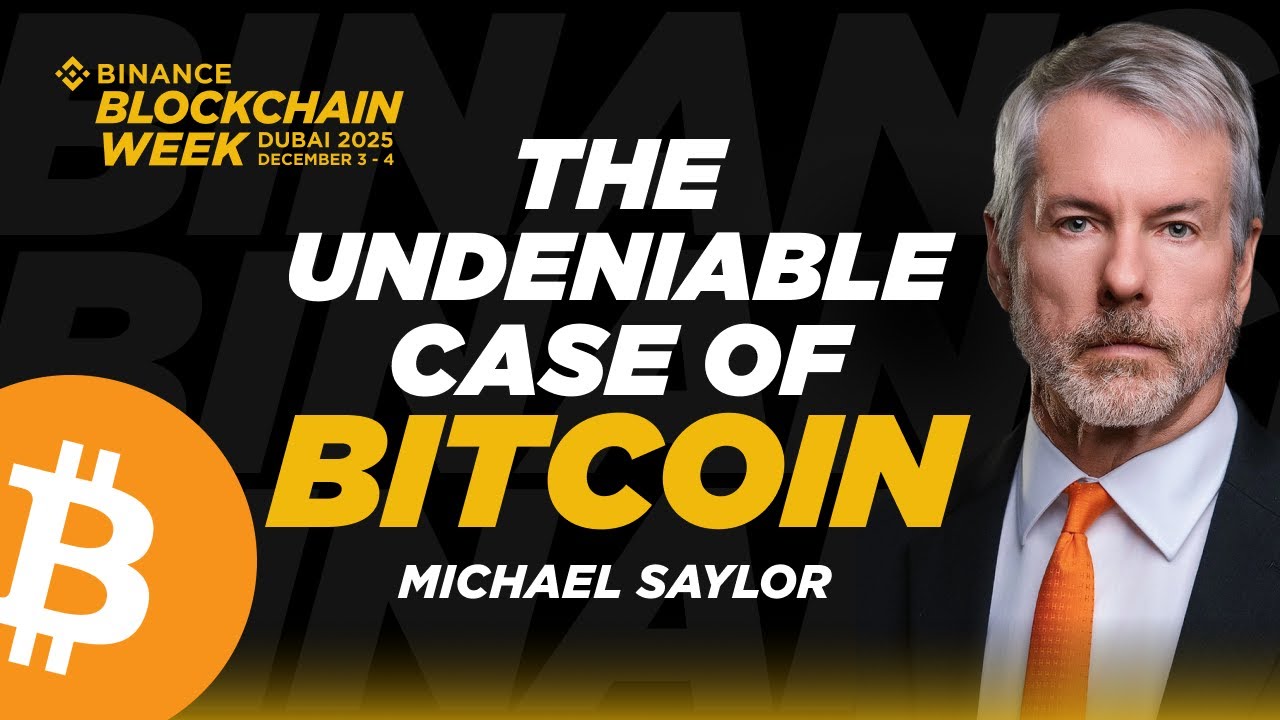

As a data-driven analyst, I'm always on the lookout for interesting trends and proposals in the crypto space. Recently, StarkWare CEO Eli Ben-Sasson suggested replacing Bitcoin's 21M cap with a 4% annual inflation rate. This idea has sparked a heated debate among crypto enthusiasts, with some arguing that it could help maintain a stable amount of usable Bitcoin, while others believe it would undermine the currency's scarcity and value.
The data shows that approximately 20% of Bitcoin's total supply is already lost due to various reasons, such as lost private keys, hardware failures, or simply being forgotten. Looking at on-chain metrics, we can see that the number of lost Bitcoins is steadily increasing over time. Statistically speaking, a 4% annual inflation rate could help offset this loss and maintain a stable amount of usable Bitcoin.
The Proposal: 4% Annual Inflation
The proposal suggests that a 4% annual inflation rate would be introduced to replace the current 21M cap. This means that approximately 840,000 new Bitcoins would be minted every year, which is roughly 4% of the current total supply. The data shows that this rate is relatively low compared to other currencies, and it could help maintain a stable amount of usable Bitcoin.
- The proposed inflation rate is relatively low compared to other currencies
- It could help maintain a stable amount of usable Bitcoin
- It could potentially reduce the impact of lost private keys on the overall supply
Concerns and Criticisms
Despite the potential benefits, many in the crypto community are concerned about the proposal. Some argue that introducing an inflation rate would undermine Bitcoin's scarcity and value, which are essential to its appeal. Others believe that it would create uncertainty and potentially harm the overall crypto market. The data shows that the majority of Bitcoin holders are against the proposal, citing concerns about the potential impact on the currency's price and value.
- Introducing an inflation rate could undermine Bitcoin's scarcity and value
- It could create uncertainty and potentially harm the overall crypto market
- It could lead to a decrease in Bitcoin's price and value
Our Take
As a data-driven analyst, I believe that the proposal deserves consideration. While it's true that introducing an inflation rate could have potential drawbacks, it's also important to consider the benefits. The data shows that the number of lost Bitcoins is steadily increasing, and a 4% annual inflation rate could help maintain a stable amount of usable Bitcoin. However, it's crucial to weigh the pros and cons carefully and consider the potential consequences on Bitcoin's price and the overall crypto market.
Ultimately, the decision to introduce an inflation rate should be based on careful analysis and consideration of the data. As a community, we should strive to create a fair and stable system that benefits all participants. The data will guide us, but it's up to us to make informed decisions that shape the future of Bitcoin and the crypto space.