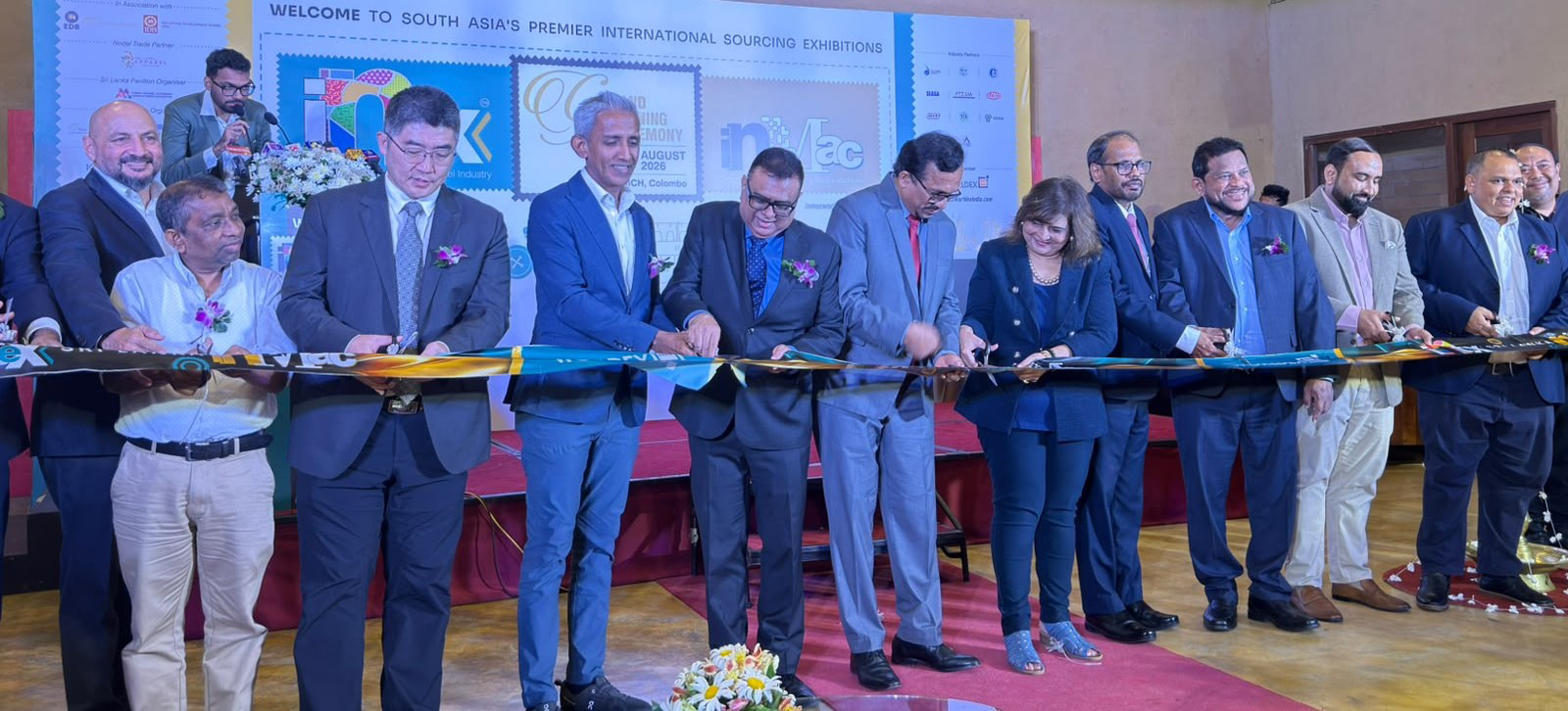
I've seen this before - the convergence of traditional industries and new technologies. It's a story that has played out time and time again, from the advent of the internet to the rise of cryptocurrency. Now, it's the textile industry's turn, with the inauguration of Intex–InMac Sri Lanka, a premier international textile sourcing and garment manufacturing technology exhibition.
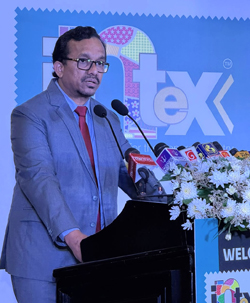
As I look at the textile industry, I'm reminded of the importance of innovation and adaptability. Minister Sunil Handunnetti, the Minister of Industry & Entrepreneurship Development, Government of Sri Lanka, hit the nail on the head when he said, "Competitiveness is driven not by capacity alone, but by innovation and adaptability." This is especially true in the context of the textile industry, where companies must stay ahead of the curve to remain competitive.
The Exhibition
Intex–InMac Sri Lanka brings together over 250 exhibitors from more than 15 countries and regions, making it the largest international textile sourcing and garment technology platform in Sri Lanka. The exhibition features a wide range of products, including apparel fabrics, cotton, polyester, blended, knitted and woven fabrics, denim, linen and rayon fabrics, yarns and fibres, interlinings, sewing and embroidery threads, zippers, labels, garment accessories, textile printing inks, dyes, chemicals, digital textile printing solutions, and textile machinery accessories.
Some of the key highlights of the exhibition include:
- Over 250 exhibitors from more than 15 countries and regions
- A wide range of products, including apparel fabrics, yarns and fibres, and textile machinery accessories
- Opportunities for sourcing, innovation, and business development
The Web3 Angle
As a crypto veteran, I see potential for blockchain and cryptocurrency to play a role in the future of textile manufacturing and trade. With the rise of digital assets, stablecoins and CBDCs could facilitate cross-border payments and trade finance, making it easier for textile manufacturers to do business with each other. Additionally, blockchain-based supply chain management could help to increase transparency and efficiency in the textile supply chain.
Some potential applications of blockchain and cryptocurrency in the textile industry include:
- Supply chain management and tracking
- Payment systems and trade finance
- Authentication and verification of products
Our Take
As I reflect on the inauguration of Intex–InMac Sri Lanka, I'm reminded of the importance of staying ahead of the curve. The textile industry is undergoing a significant transformation, driven by technological innovation and changing consumer demands. As the industry continues to evolve, it's likely that we'll see more opportunities for blockchain and cryptocurrency to play a role.
For now, it's clear that Intex–InMac Sri Lanka is an important step forward for the textile industry in South Asia. As the exhibition continues to drive sourcing, innovation, and business opportunities, it will be interesting to see how the industry develops in the years to come. One thing is certain - the future of the textile industry will be shaped by a combination of traditional expertise and new technologies, including blockchain and cryptocurrency.