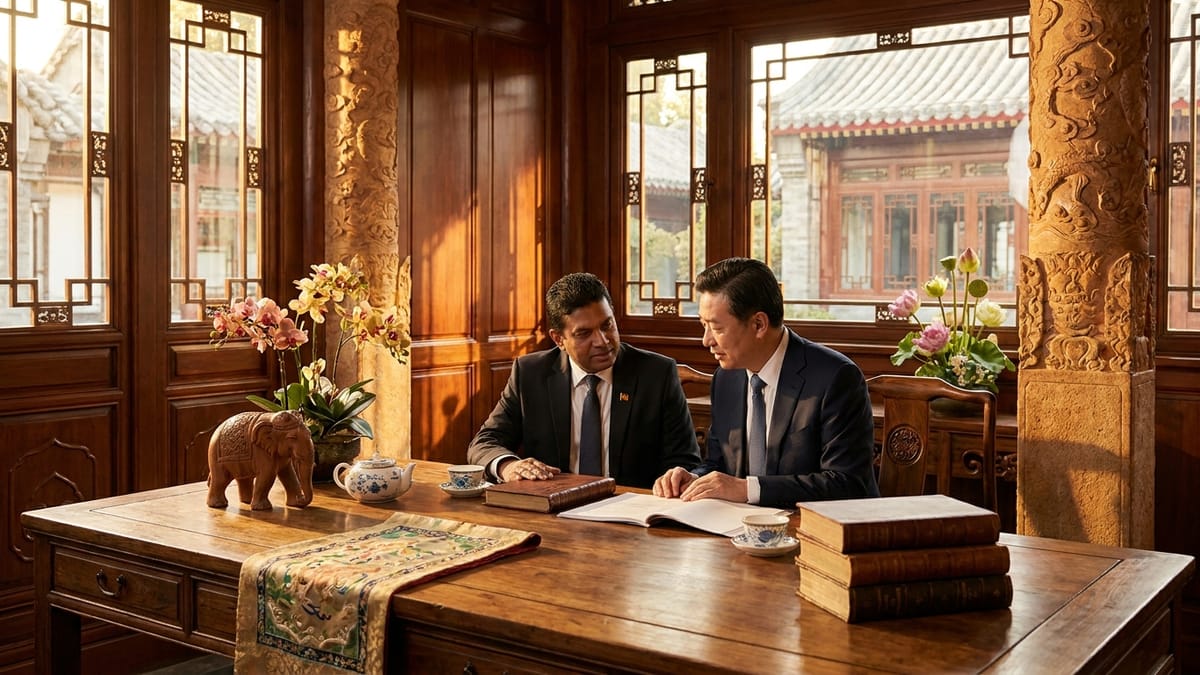
Regulators are signaling a significant shift in the way countries approach international cooperation, and the recent visit of Sri Lanka's Deputy Minister of Foreign Affairs, Prof. Ruwan Ranasinghe, to China is a prime example. The visit aimed to strengthen bilateral cooperation in tourism education and cultural exchange, marking a new chapter in Sri Lanka–China relations.
The legal framework suggests that this cooperation will be built on the principles of mutual benefit and sustainable development. As Prof. Ranasinghe noted, Sri Lanka and China have complementary strengths in tourism resources, highlighting opportunities for collaboration in culinary arts, hospitality, and eco-tourism. The visit also included a cooperation symposium, where both sides reached preliminary consensus on several joint initiatives, including the establishment of a Chinese Sichuan Cuisine Academy and a China–Sri Lanka Joint Research Center for Mountain Tourism.

Main Initiatives
The cooperation between Sri Lanka and China includes several key initiatives:
- Establishment of a Chinese Sichuan Cuisine Academy
- Creation of a China–Sri Lanka Joint Research Center for Mountain Tourism
- Launch of a China–Sri Lanka Cultural Tourism Cooperation Platform
- Development of an Innovation Service Research Center for Hospitality
- Expansion of Sri Lankan student enrollment under the "Study at Sichuan Tourism College" program
The Web3 Angle
Compliance-wise, the adoption of blockchain technology and cryptocurrency in the tourism industry could be a significant development. As regulators are signaling increased interest in digital assets, it's essential to understand the potential impact on crypto investors. The use of blockchain technology could increase transparency and security in tourism-related transactions, making it an attractive option for investors. Moreover, the growth of stablecoins and remittances could facilitate cross-border payments, further strengthening the ties between Sri Lanka and China.

As the cooperation between Sri Lanka and China deepens, it's crucial to consider the potential implications for crypto investors. The growth of digital assets and blockchain technology could lead to increased adoption and innovation in the tourism industry, making it an exciting time for investors. However, it's essential to stay informed about regulatory developments and compliance requirements to navigate this evolving landscape.
Our Take
The strengthening of ties between Sri Lanka and China is a significant development that could have far-reaching implications for the tourism industry and crypto investors. As regulators are signaling increased interest in digital assets, it's essential to stay ahead of the curve and understand the potential impact on investments. At Web3Instant, we'll continue to monitor regulatory developments and provide insights on the latest trends and innovations in the crypto and web3 space.
The future of tourism and education is being written, and it's exciting to think about the possibilities that blockchain technology and cryptocurrency could bring. As the world becomes increasingly interconnected, it's crucial to stay informed and adapt to the changing landscape. One thing is certain - the cooperation between Sri Lanka and China is a significant step forward, and we're eager to see how it unfolds.