
The Central Bank of Sri Lanka (CBSL) has taken a significant step to tighten the timeline for exporters to convert their residual foreign exchange earnings into Sri Lanka Rupees. As a policy wonk, I'm intrigued by the implications of this move on the country's economy and its potential ripple effects on the global financial landscape, including crypto news and blockchain news.
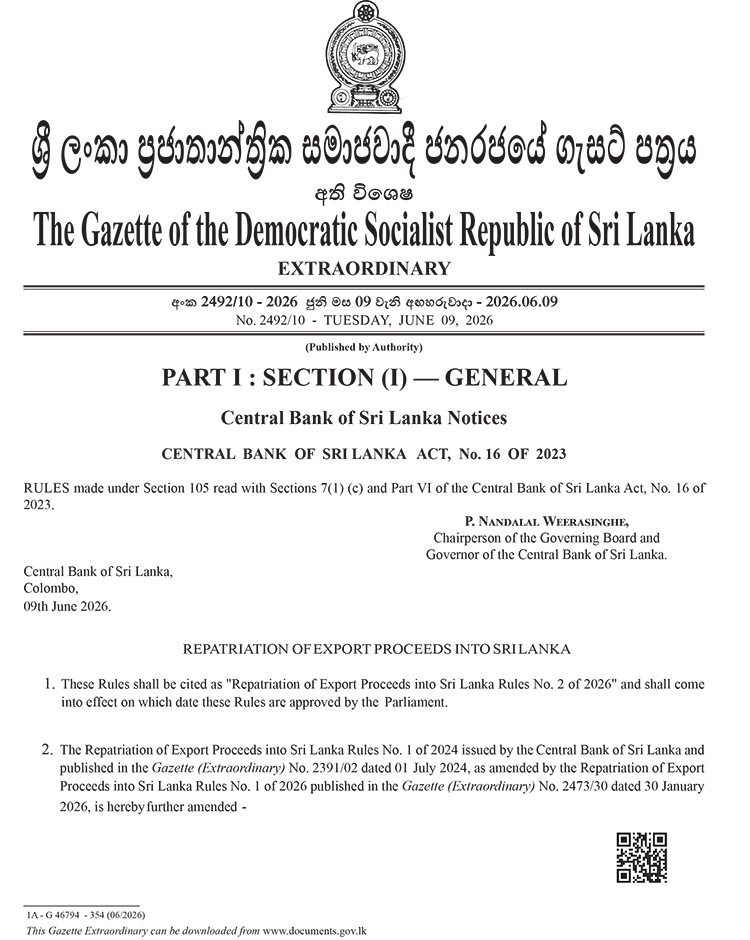
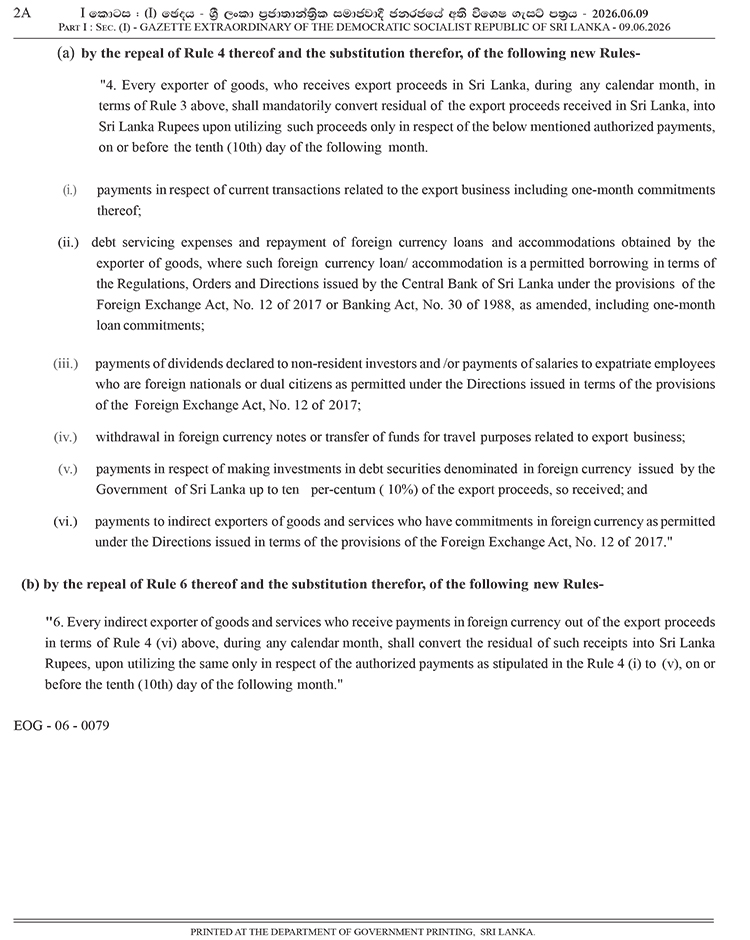
Regulators are signaling a clear intention to accelerate the flow of foreign currency into the domestic economy. The new directive, issued via Extraordinary Gazette on June 9, 2026, amends the existing framework to require exporters to mandatorily convert all residual proceeds on or before the 10th day of the month following the receipt of those proceeds. This expedited conversion requirement applies to both direct exporters and indirect exporters who receive foreign currency payments from export proceeds, which could have implications for bitcoin and ethereum trading in the region.
Key Facts About the New Rules
The legal framework suggests that exporters will still have some flexibility in utilizing their foreign currency for authorized payments before mandatory conversion. These payments include:
- Current business-related transactions, now explicitly including one-month commitments
- Debt servicing and repayment of permitted foreign currency loans, including one-month loan commitments
- Payment of dividends to non-resident investors and salaries to expatriate employees
- Travel expenses related to the export business
- Investments in government-issued foreign currency debt securities, capped at 10% of the received proceeds
Compliance-wise, exporters will need to carefully review their foreign exchange earnings and ensure timely conversion to avoid any potential penalties. As someone who's been following the developments in the crypto hot topics and crypto blogs, I believe this move could have interesting implications for the use of cryptocurrency in cross-border transactions.
The Web3 Angle
While the new rules may not directly impact the web3 news and blockchain news landscape, they could have indirect implications for the use of digital assets in cross-border transactions. For instance, the accelerated conversion of foreign exchange earnings could lead to increased demand for stablecoins or other digital currencies that can facilitate faster and more efficient transactions. Moreover, the rules could also lead to increased interest in central bank digital currencies (CBDCs) as a means of facilitating international trade and finance.
As I ponder the potential implications of these rules, I'm reminded of the importance of understanding the complex interplay between traditional finance and the emerging world of web3. By staying informed about developments like these, we can better navigate the evolving regulatory landscape and uncover new opportunities for growth and innovation in the finance news and bitcoin space.
Our Take
As a policy wonk, I believe that the new rules issued by the CBSL are a significant development that will have far-reaching implications for Sri Lanka's economy and the global financial landscape. While the rules may present challenges for exporters, they also offer opportunities for innovation and growth in the web3 space. As we move forward, it will be essential to closely monitor the impact of these rules and explore ways to leverage digital assets and blockchain technology to facilitate more efficient and secure cross-border transactions.
And so, as we watch this story unfold, I'm left with a sense of curiosity and excitement about the potential for web3 to transform the way we think about international trade and finance, and how crypto news and web3 news will continue to shape the future of the global economy.