I've seen this before - a beautiful location with immense tourism potential, waiting to be developed into a sustainable destination. Back in 2017, I witnessed similar initiatives in other parts of the world, where tourism and environmental conservation went hand-in-hand.
What many newcomers don't realize is that developing a Zero Emission eco-tourism destination requires careful planning and execution. It's not just about building infrastructure, but also about preserving the natural and cultural heritage of the location. In the case of Delft Island, the Government of Sri Lanka is taking a holistic approach, focusing on sustainability, environmental conservation, and community-based tourism development.
The Main Story
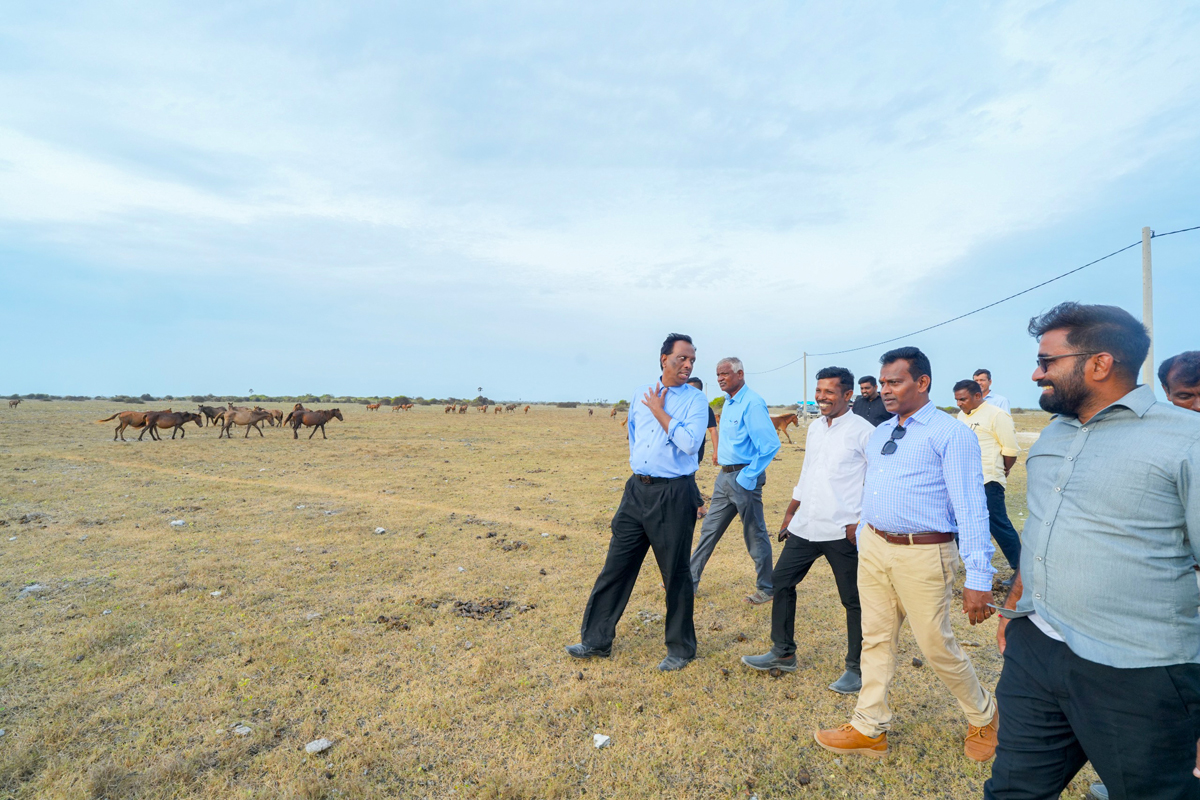
The Government of Sri Lanka has initiated plans to develop Delft Island into the country's first Zero Emission eco-tourism destination. A special site inspection and stakeholder discussion was held under the leadership of Prof. Ruwan Ranasinghe, Deputy Minister of Tourism. The initiative aims to transform the island into a model sustainable tourism destination while safeguarding its rich historical, cultural, and environmental assets for future generations.
Renowned for its remarkable Dutch-era ruins, numerous archaeological landmarks, and its iconic wild horses roaming freely across the island, Delft Island possesses exceptional tourism potential. The discussions focused on identifying the priority infrastructure required to position Delft Island as a premier tourism destination, including improving water supply, road infrastructure, transportation, and accessibility.
- Improving water supply and sanitation facilities
- Developing sustainable transportation options, such as electric or hybrid vehicles
- Enhancing community participation by training local residents in hospitality and tourism skills
The Web3 Angle
As I look at the development of Delft Island as a Zero Emission eco-tourism destination, I wonder what role crypto and web3 technologies could play in this initiative. Could blockchain be used to create a transparent and secure system for tracking tourism-related transactions, or for managing the island's carbon credits? What about the potential for stablecoins or cryptocurrencies to facilitate cross-border payments and reduce transaction costs for tourists?
While the connection to crypto and web3 may seem tenuous at first, it's essential to consider the broader implications of this development. As the world becomes increasingly digital, the use of web3 technologies could help create a more sustainable, efficient, and transparent tourism industry. This, in turn, could have a positive impact on the environment, local communities, and the economy as a whole.
Analysis and Context
The development of Delft Island as a Zero Emission eco-tourism destination has significant implications for the environment, local communities, and the tourism industry as a whole. By prioritizing sustainability and environmental conservation, the Government of Sri Lanka is setting an example for other destinations to follow. As a crypto and web3 enthusiast, I believe that the integration of these technologies could further enhance the sustainability and efficiency of this initiative.
- Promoting responsible tourism practices and renewable solutions
- Preserving the natural and cultural heritage of the location
- Supporting local communities through community-based tourism development
Our Take
I've seen this before - a beautiful location with immense tourism potential, waiting to be developed into a sustainable destination. What sets Delft Island apart is the Government of Sri Lanka's commitment to environmental sustainability and community-based tourism development. As a crypto and web3 enthusiast, I believe that the integration of these technologies could further enhance the sustainability and efficiency of this initiative.
As I look to the future, I'm filled with hope and curiosity about the potential of web3 technologies to create a more sustainable and efficient tourism industry. And who knows, maybe one day we'll see a cryptocurrency specifically designed for eco-tourism, promoting sustainable practices and supporting local communities.