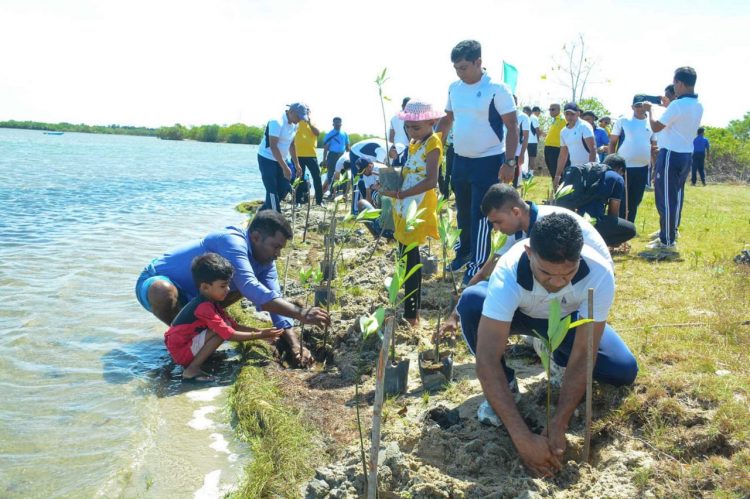
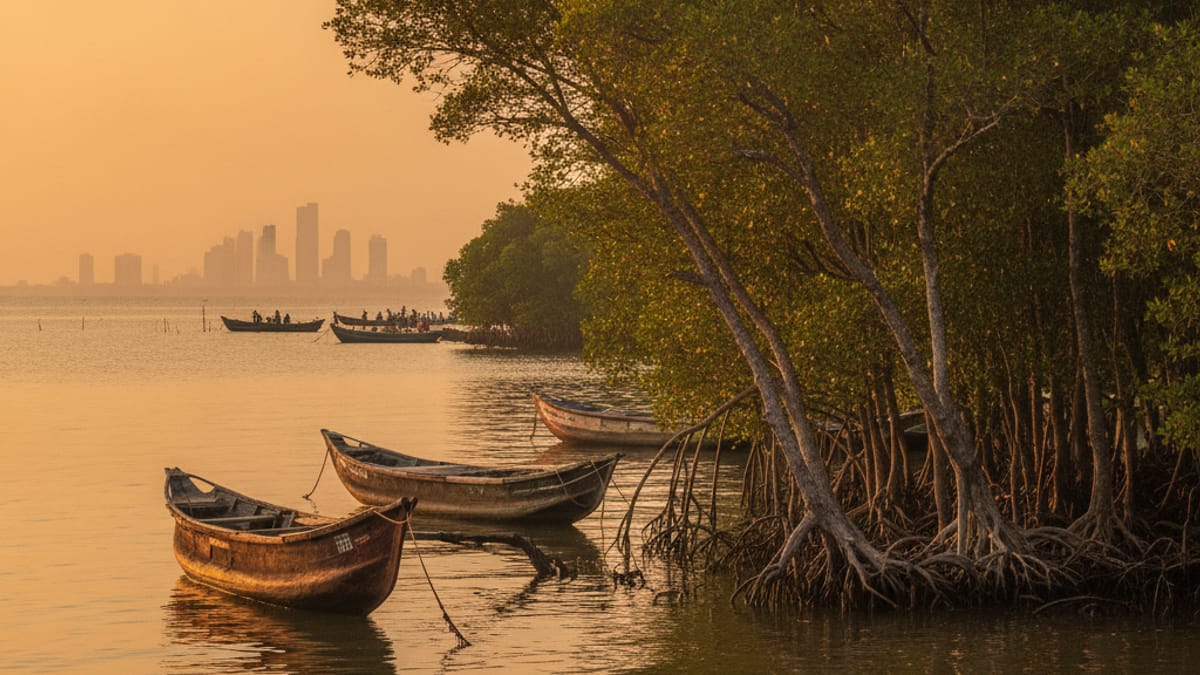
I still remember the day I first learned about the importance of mangrove ecosystems. It was during a trip to Sri Lanka, where I saw firsthand the devastating impact of coastal erosion and the role that mangroves play in protecting shorelines.
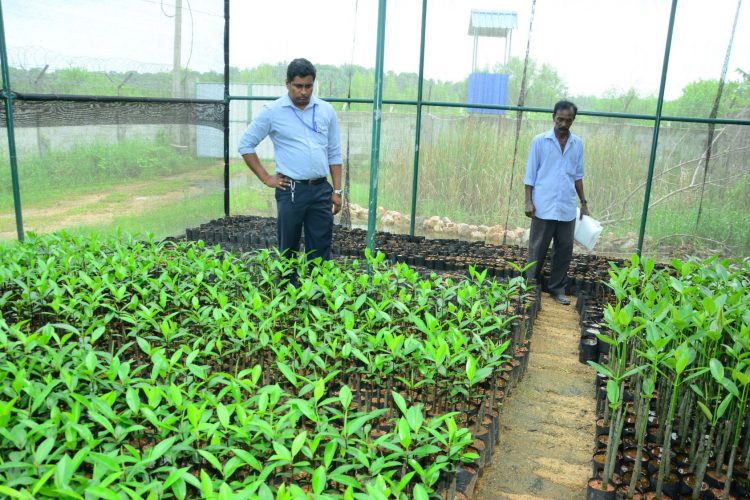
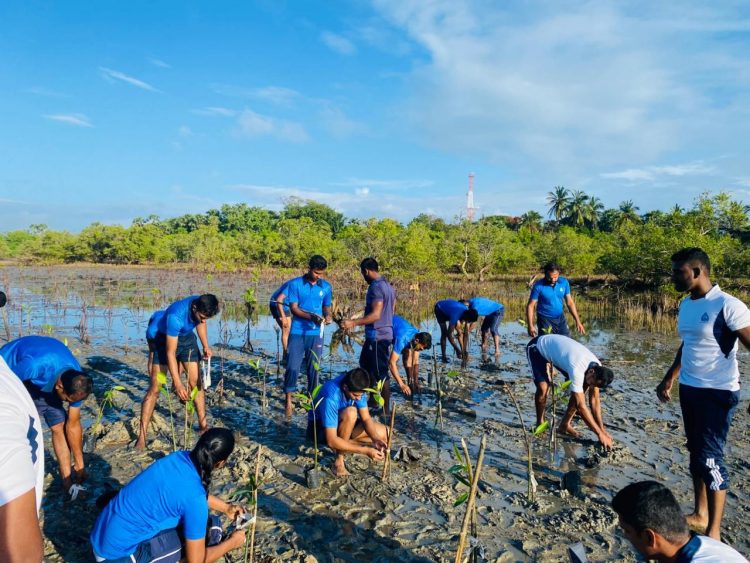
The emission schedule of carbon dioxide into the atmosphere has significant implications for coastal ecosystems, and the conservation of mangroves is critical to mitigating the effects of climate change. The Tokyo Cement Mangrove Conservation Project is a great example of a collaborative effort to restore mangrove forests and promote sustainability.
The Web3 Angle
So, what does this have to do with web3 and blockchain? Token utility drives the adoption of digital assets, and the use of blockchain technology can help promote transparency and accountability in environmental conservation efforts. The Web3 angle is all about leveraging digital assets and blockchain technology to support sustainable development and environmental conservation.
- Blockchain technology can be used to track the origin and movement of goods, promoting transparency and accountability in supply chains
- Tokenization of natural assets can help promote conservation and sustainable development
- Decentralized finance (DeFi) can provide new opportunities for funding environmental conservation projects
Our Take
Economic sustainability requires a long-term perspective, and the conservation of mangrove ecosystems is a critical component of sustainable development. As we look to the future, it's essential to consider the role that web3 and blockchain technology can play in promoting environmental conservation and sustainable development.
What if we could use blockchain technology to create a token that represents a unit of mangrove forest, and use this token to promote conservation and sustainable development? It's an interesting idea, and one that could have significant implications for the future of environmental conservation.