
As a policy wonk, I'm always on the lookout for regulatory developments that can impact the financial landscape. The recent decision by the Monetary Policy Board of the Central Bank of Sri Lanka to raise the Overnight Policy Rate by 100 basis points is a case in point. This move has sent ripples through the market, with several banks already announcing an increase in credit card interest rates.
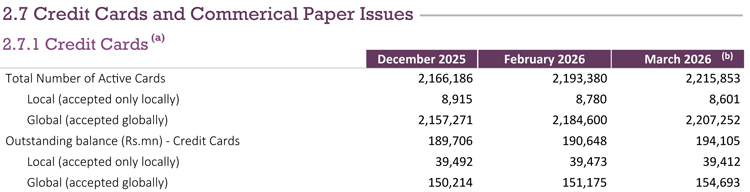
The annual interest rate for credit cards is set to rise from 26% to 28%, effective from July 1st. This rate hike comes at a time when credit card usage is on the rise, with the total number of active credit cards in the country standing at 2,215,853 at the end of the first quarter of 2026. The latest data also highlights a significant increase in consumer debt, with the total outstanding balance on credit cards climbing to Rs. 194,105 million as of March 31, 2026.
The Impact on Consumers
So, what does this mean for consumers? For one, it's essential to review your credit card statements and understand the new interest rates. Regulators are signaling that they're serious about curbing inflation, and this rate hike is a step in that direction. The legal framework suggests that banks will need to adjust their lending practices to reflect the new interest rates.
- Consumers should expect to pay more in interest on their credit card balances
- Banks may offer more competitive interest rates to attract new customers
The Web3 Angle
So, what does this mean for crypto enthusiasts? Compliance-wise, the increasing interest rates could lead to a greater demand for alternative lending platforms, such as those built on blockchain technology. The legal framework suggests that these platforms will need to comply with existing regulations, but they may also offer more competitive interest rates and greater transparency.
- Blockchain-based lending platforms could offer more competitive interest rates
- These platforms may provide greater transparency and security for lenders and borrowers
- The increasing interest rates could lead to a greater adoption of cryptocurrency and blockchain technology
Our Take
As a policy wonk, I believe that this rate hike is a necessary step to curb inflation and promote financial stability. However, it's essential for consumers to understand the implications and take steps to manage their debt. The web3 angle is also interesting, as it could lead to a greater adoption of blockchain technology and alternative lending platforms.
Regulators are signaling that they're serious about promoting financial stability, and this rate hike is just the beginning. As we move forward, it's essential to stay informed and adapt to the changing regulatory landscape. The future of finance is uncertain, but one thing is clear: it will be shaped by the intersection of traditional finance and web3 technologies.