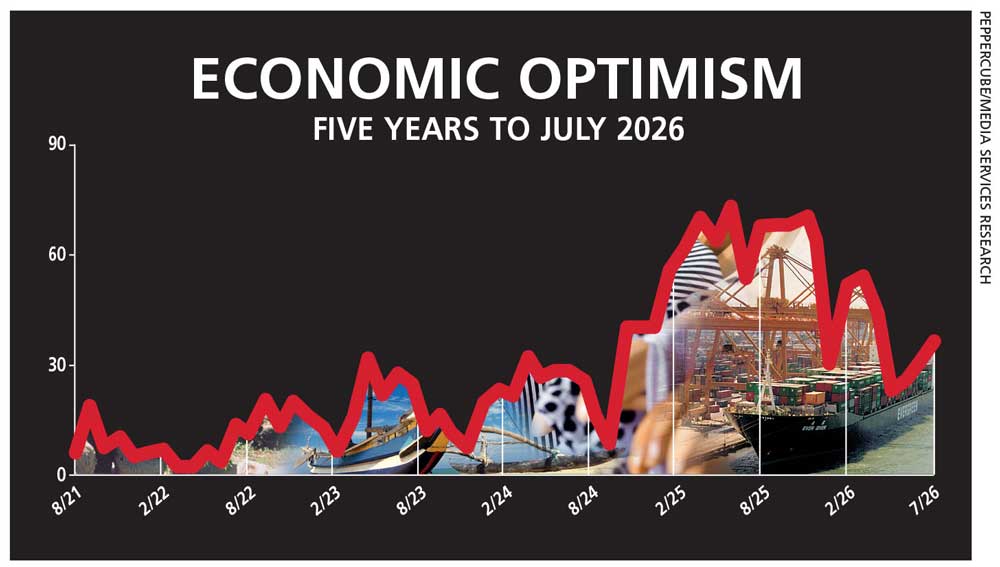

I've seen this before - a country pinning its economic hopes on the growth of its tech and electronics industries. Back in 2017, I witnessed a similar trend in other nations, where the focus on IT and electronics led to significant economic gains.
What many newcomers don't realize is that the success of these sectors is deeply intertwined with the overall economic growth of a country. In Sri Lanka's case, the government is looking to increase economic growth from 5% to 7-8% over the coming years, with the IT, electrical, and electronics sectors playing a pivotal role.
Main Story
The President made these remarks while addressing a discussion with leading investors and industrialists from the IT, electrical, and electronics sectors. He highlighted that Sri Lanka's future can only be secured by strengthening domestic industries and invited entrepreneurs to work in partnership with the government to unlock the country's true economic potential.
- The information technology sector has the potential to generate US$5 billion in annual export earnings.
- The electrical and electronics sector can increase its export revenue from US$500 million to US$2 billion annually.
- Sri Lanka can establish itself as a global brand in the IT, electrical, and electronics sectors.
Participants discussed the challenges affecting the sectors, including complexities in importing electronic components, obstacles faced by companies operating in the Colombo Port City, and difficulties in promoting locally manufactured products within the domestic market.
The Web3 Angle
As I look at the potential of Sri Lanka's IT, electrical, and electronics sectors, I'm reminded of the importance of crypto news and web3 news in shaping the country's economic future. The growth of these sectors can have a significant impact on the adoption of blockchain news and cryptocurrency in Sri Lanka.
- The use of bitcoin and other cryptocurrencies can increase foreign currency inflows and reduce the country's reliance on traditional banking systems.
- The development of stablecoins and CBDCs can provide a more stable store of value and medium of exchange for Sri Lankans.
- The adoption of blockchain technology can increase the efficiency and transparency of supply chains, making it easier for Sri Lankan businesses to compete in the global market.
Our Take
As a battle-tested crypto veteran, I'm cautiously optimistic about the potential of Sri Lanka's IT, electrical, and electronics sectors to drive economic growth. However, I also recognize the importance of addressing the challenges facing these sectors and providing the necessary support and infrastructure for their growth.
What if Sri Lanka can successfully leverage its highly skilled workforce and favorable business environment to establish itself as a hub for IT, electrical, and electronics manufacturing? The potential for growth is vast, and the impact on the country's economy could be significant.