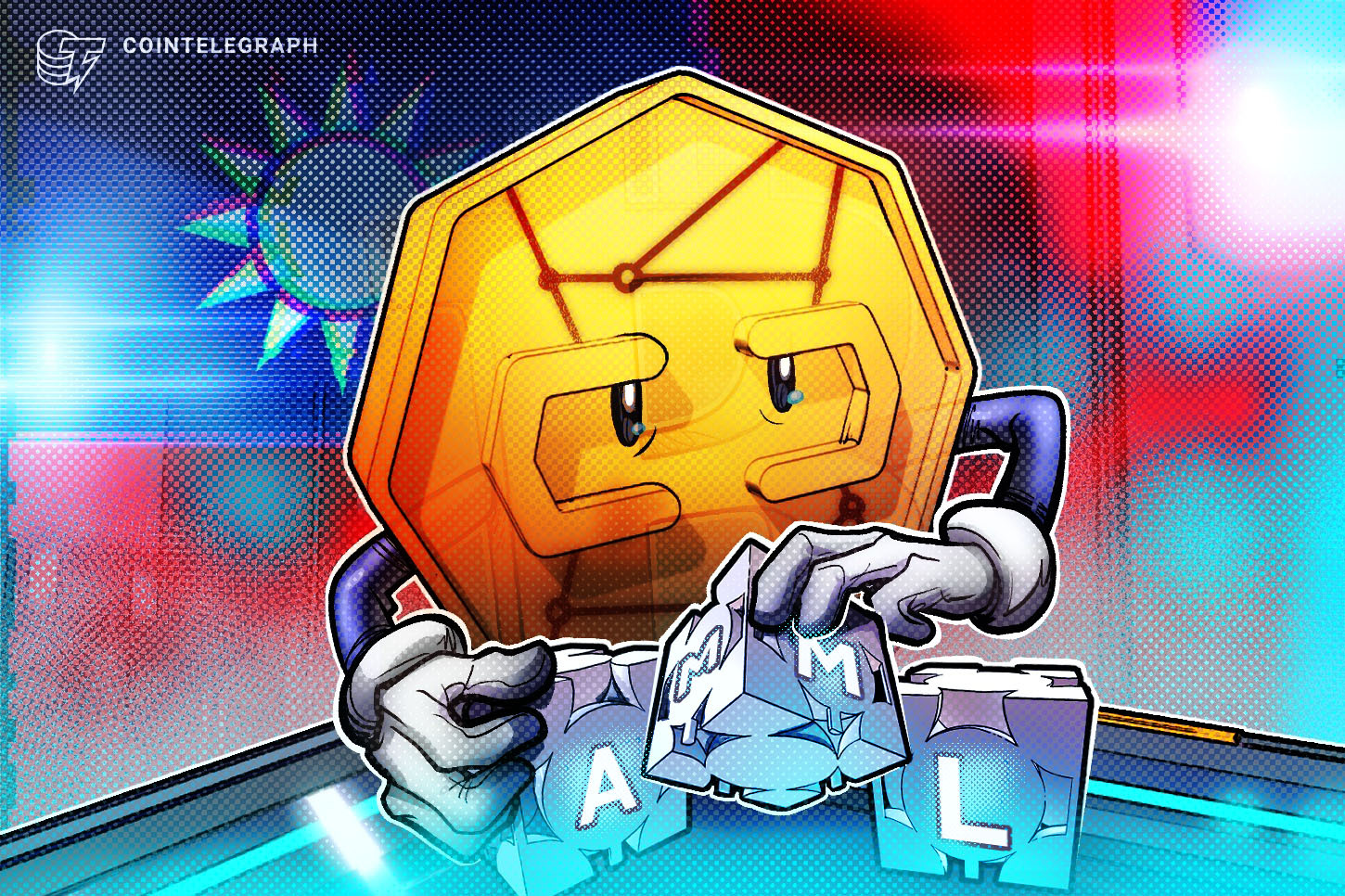
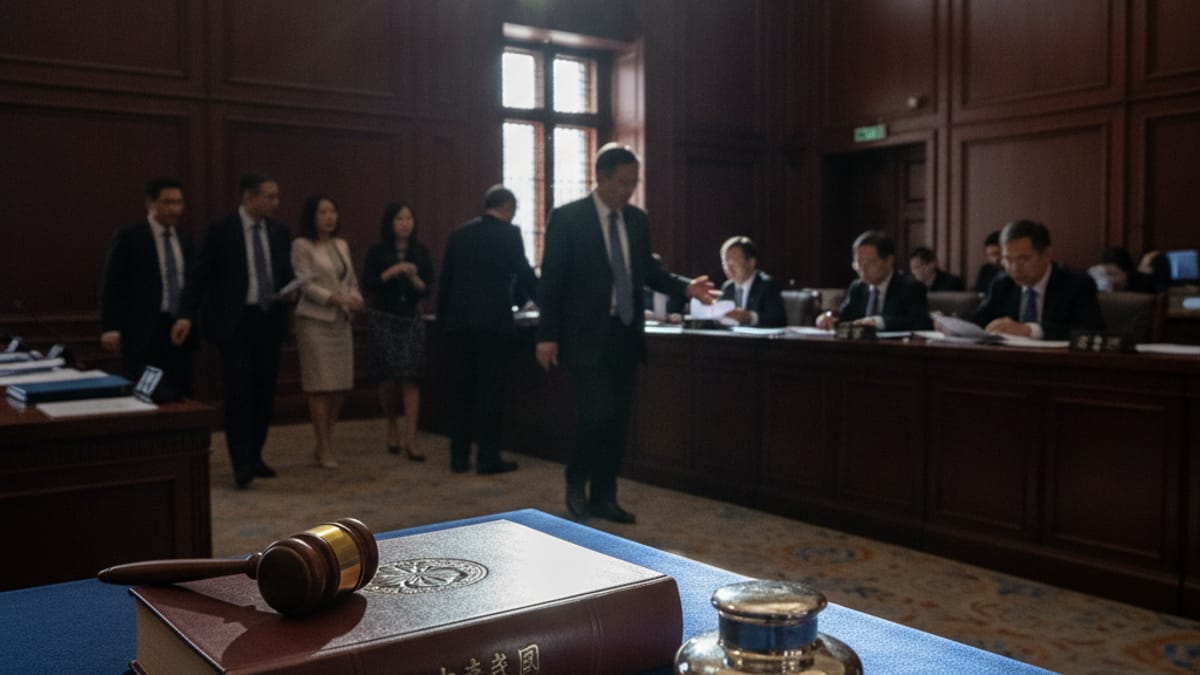
As I delve into the latest crypto news, I'm struck by the significance of Taiwan's recent regulatory move. The Legislative Yuan's passage of the Virtual Asset Service Act on its third reading marks a substantial shift in how crypto is overseen in the country. The law essentially rewrites the rulebook for virtual asset service providers (VASPs) and stablecoin issuers, introducing stringent licensing requirements, robust reserve rules, and meaningful criminal penalties. This development is a crucial step in the evolution of web3 news and blockchain news, as it sets a precedent for how crypto hot topics can be regulated effectively.
Regulators are signaling a more comprehensive approach to crypto oversight, one that moves beyond the confines of narrow anti-money-laundering rules. This shift is crucial for the growth and stability of the crypto market, including bitcoin and ethereum, as it provides a clearer framework for businesses to operate within. Compliance-wise, this means that VASPs and stablecoin issuers will need to adhere to stricter standards, which could lead to increased trust and legitimacy in the sector. As someone who follows crypto blogs and finance news closely, it's heartening to see such progressive steps being taken.
Key Provisions of the Virtual Asset Service Act
The Act's provisions are designed to ensure that VASPs and stablecoin issuers operate with transparency and accountability. Some key points include:
- Licensing requirements for VASPs and stablecoin issuers, which will be overseen by the Financial Supervisory Commission.
- Robust reserve rules to ensure that stablecoin issuers have sufficient backing for their coins.
- Criminal penalties for non-compliance, which will serve as a deterrent against illicit activities.
These provisions underscore the government's commitment to creating a regulatory environment that fosters innovation while protecting consumers and maintaining financial stability. It's a delicate balance, but one that is essential for the long-term viability of cryptocurrency, including bitcoin and ethereum, in the financial landscape.
Implications for the Crypto Market
The implications of this regulatory move are far-reaching. For one, it could attract more investment and innovation to Taiwan's crypto sector, as businesses and investors seek out jurisdictions with clear and comprehensive regulatory frameworks. Additionally, it sets a precedent for other countries to follow, potentially leading to a more harmonized global approach to crypto regulation. As I consider the potential impact on cryptocurrency and blockchain news, I'm reminded of the importance of staying informed about the latest developments in crypto hot topics.
As someone who tracks every regulatory development, I believe that this move by Taiwan is a significant step forward. It demonstrates a willingness to engage with the crypto sector in a meaningful way, rather than simply imposing strict controls or bans. The legal framework suggests a more mature regulatory environment, one that acknowledges the potential benefits of crypto while also addressing the associated risks.
Compliance-wise, this means that businesses will need to be proactive in ensuring they meet the new requirements. This could involve investing in compliance infrastructure, training staff, and engaging with regulators to ensure they understand the expectations. It's a challenge, but also an opportunity for companies to demonstrate their commitment to operating within the bounds of the law.
Our Take
As I reflect on Taiwan's Virtual Asset Service Act, I'm struck by the potential it has to shape the future of crypto regulation. It's a bold move, one that acknowledges the complexity and diversity of the crypto sector. By providing a clear and comprehensive framework for VASPs and stablecoin issuers, Taiwan is setting a high standard for regulatory oversight. As we look to the future of crypto news, web3 news, and blockchain news, it's essential to consider the implications of this regulatory development.
So, what if other countries were to follow Taiwan's lead? Could we see a global shift towards more comprehensive and nuanced crypto regulation? It's a tantalizing prospect, one that could unlock the full potential of crypto and blockchain technology. As I consider the possibilities, I'm reminded of the importance of staying informed about the latest crypto hot topics and finance news.