

I still remember the day I first heard about Bitcoin. It was 2017, and the price had just skyrocketed to nearly $20,000. I was skeptical at first, but as I dug deeper, I realized this wasn't just a passing fad.
The recent UK crackdown on unlicensed crypto trading has sparked a heated debate about the balance between financial freedom and regulation. As someone who's been in the crypto space for years, I've seen this before - the tension between innovation and oversight is nothing new. What many newcomers don't realize is that the UK's actions are part of a broader global trend towards greater crypto regulation.
The Regulatory Landscape
The UK's Financial Conduct Authority (FCA) has been actively working to regulate the crypto space, and their latest move is a significant step in this direction. The FCA has issued cease-and-desist letters to several individuals and businesses suspected of operating unlicensed crypto trading services. This move has raised questions about the impact on the crypto market and the future of peer-to-peer trading.
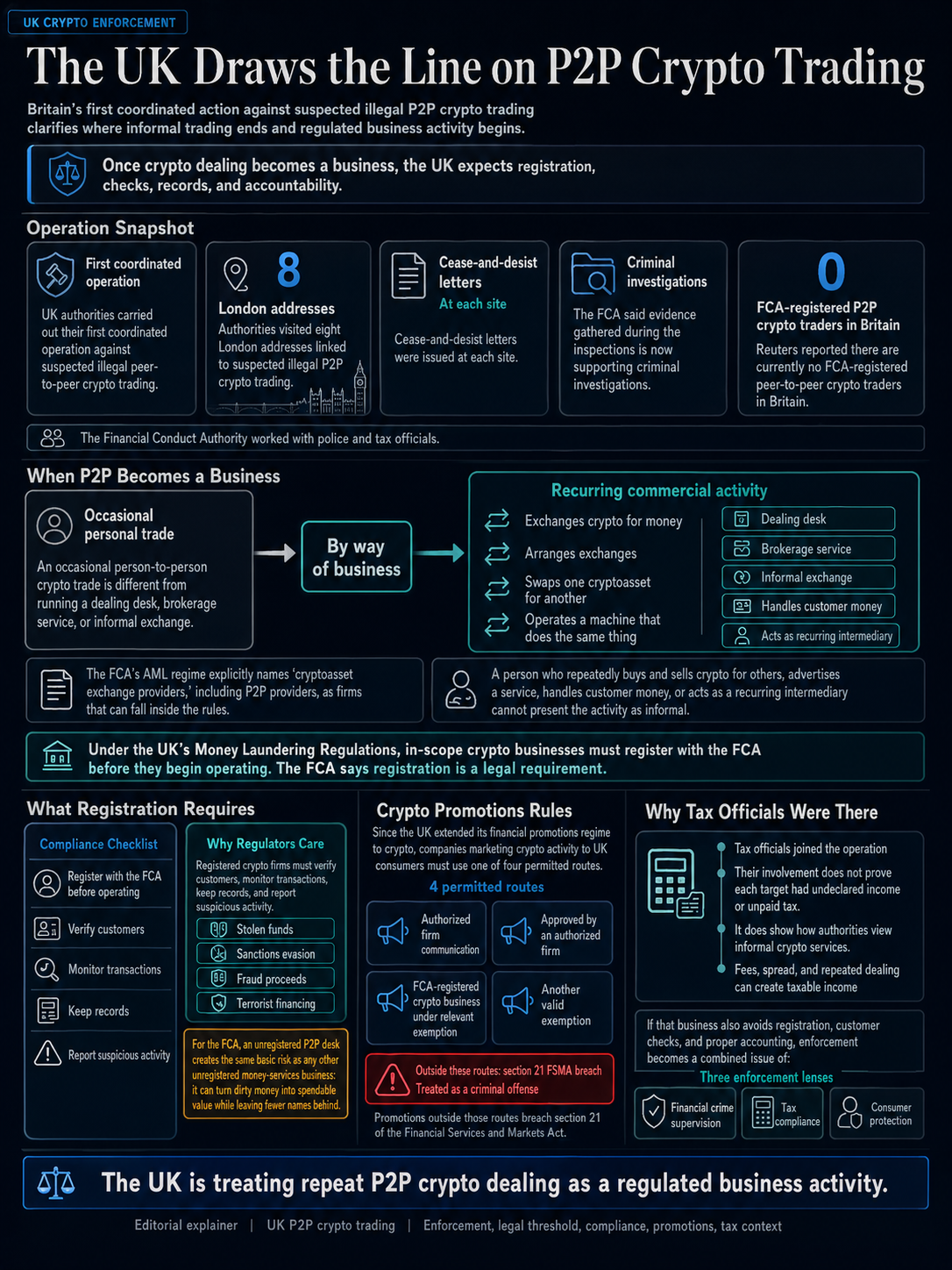
The FCA's actions are part of a broader effort to bring the crypto space under greater regulatory oversight. This includes requirements for businesses to register with the FCA, implement anti-money laundering (AML) and know-your-customer (KYC) procedures, and comply with other regulatory requirements. The goal is to prevent illicit activities, such as money laundering and terrorist financing, and protect consumers.
- The FCA's guidance states that companies and sole practitioners providing in-scope crypto services in a business capacity must register.
- The registration page specifically includes peer-to-peer providers in the category of cryptoasset exchange providers.
- Unregistered crypto dealing can create real risks, and regulation can protect real people.
The Impact on the Crypto Market
The UK's crackdown on unlicensed crypto trading has significant implications for the crypto market. It may lead to a decrease in peer-to-peer trading activity, as individuals and businesses may be deterred by the regulatory requirements. However, it may also lead to an increase in trading activity on regulated exchanges, as users seek safer and more compliant platforms.
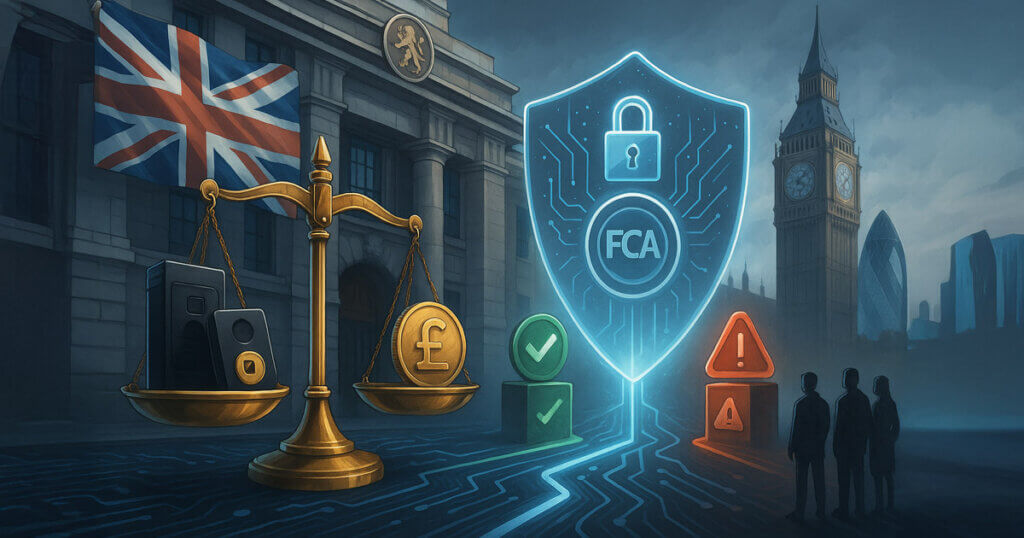
The UK's actions are part of a broader global trend towards greater crypto regulation. Other countries, such as the United States, China, and Japan, are also taking steps to regulate the crypto space. As the regulatory landscape continues to evolve, it's essential for businesses and individuals to stay informed and adapt to the changing environment.
The key to success in crypto is not to get caught up in the hype, but to focus on the fundamentals.
Our Take
As a seasoned crypto veteran, I believe that regulation is a necessary step in the evolution of the crypto space. While it may seem like a constraint on innovation, it's essential for building trust and protecting users. The UK's actions are a significant step in this direction, and it's likely that other countries will follow suit.
The future of crypto is uncertain, but one thing is clear - regulation is here to stay. As the industry continues to evolve, it's essential for businesses and individuals to stay informed and adapt to the changing environment. What many newcomers don't realize is that the crypto space is not a lawless frontier, but a rapidly evolving industry that requires careful navigation.