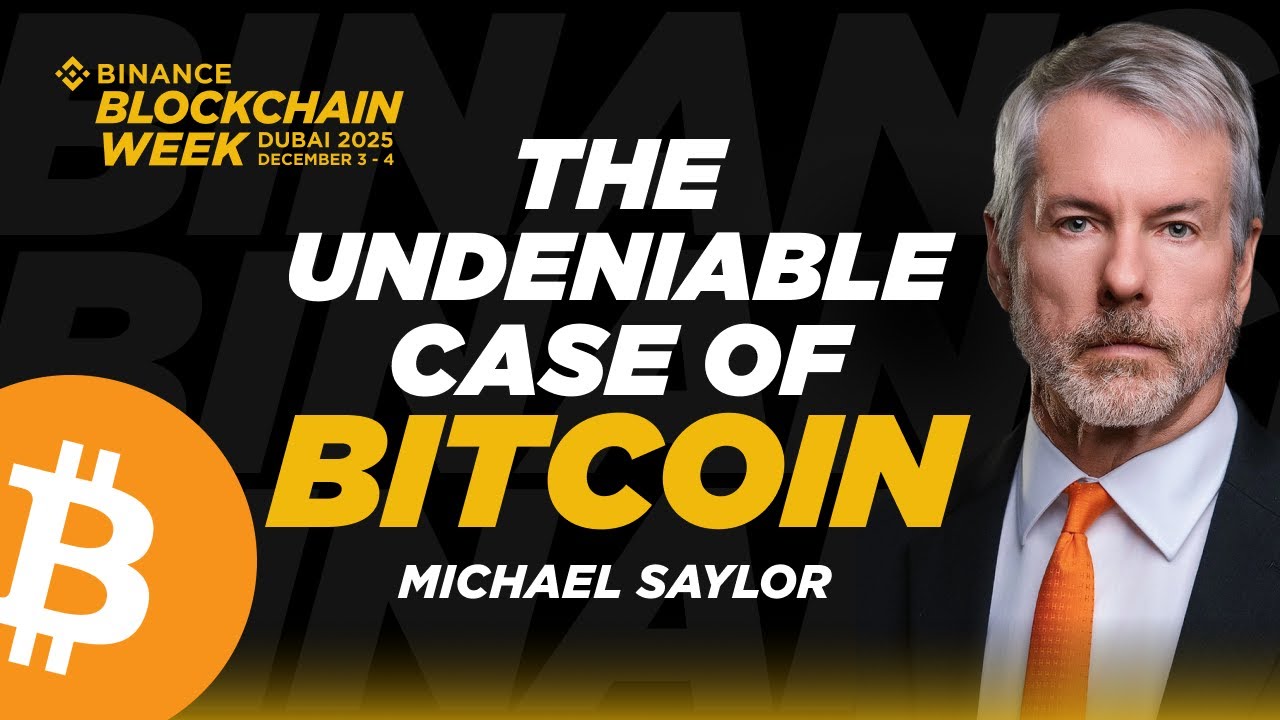

I still remember the day I first heard about Michael Saylor's Bitcoin treasury model. It was like a breath of fresh air, a revolutionary idea that could change the way companies think about their financial reserves. But, as with all things that seem too good to be true, it's turned out to be a cautionary tale of hype and harsh reality.
Over 100 publicly traded companies jumped on the bandwagon, adopting Saylor's playbook and investing heavily in Bitcoin. But now, they're facing a 43% median stock decline. The reason? Massive debt obligations colliding with crypto holdings that generate no cash flow to service payments. It's a perfect storm of financial woes, and it's a stark reminder that crypto is not a get-rich-quick scheme.
The Siren Song of Crypto
I've seen it time and time again - companies and individuals alike, lured in by the promise of easy money and astronomical returns. They invest without doing their due diligence, without understanding the risks and complexities of the crypto market. And when the bubble bursts, they're left with nothing but debt and regret.
I'm not here to say that crypto is inherently bad or that it doesn't have the potential to change the world. But what I am saying is that we need to approach it with caution, with a clear head and a critical eye. We need to separate the hype from the reality, and we need to be honest with ourselves about the risks involved.
I think back to the days of FTX and LUNA, when the crypto market was ablaze with hype and speculation. People were throwing their money around like it was going out of style, without any regard for the consequences. And when it all came crashing down, they were left to pick up the pieces and wonder what had hit them.
The Importance of Financial Literacy
Financial literacy is key when it comes to navigating the crypto market. It's not just about understanding the technology behind Bitcoin or the intricacies of blockchain. It's about understanding the financial implications of investing in crypto, and it's about being able to make informed decisions based on that knowledge.
I've seen people from all walks of life, from all over the world, who are struggling to make ends meet. They're looking for a way out, a way to improve their financial situation and secure their future. And that's where crypto comes in - it's a beacon of hope, a promise of a better life. But it's not a guarantee, and it's not a substitute for hard work and dedication.
In countries like Sri Lanka, where the economy is struggling and the currency is unstable, crypto can be a lifeline. It can provide a way for people to store their wealth, to transfer money across borders, and to access financial services that might not be available otherwise. But it's not a panacea, and it's not a solution to all their problems.
A Reality Check
So, what's the takeaway from all this? It's simple - crypto is not a get-rich-quick scheme, and it's not a substitute for financial literacy. It's a complex and volatile market that requires caution, patience, and a clear understanding of the risks involved.
We need to approach crypto with a critical eye, to separate the hype from the reality and to make informed decisions based on our own research and analysis. We need to be honest with ourselves about the risks involved, and we need to be prepared for the worst.
In the end, it's not about the technology or the market trends. It's about the people, and it's about the impact that crypto can have on their lives. So, let's approach it with humility, with caution, and with a deep understanding of the complexities involved.
Ron's Take: As I sit here, reflecting on the state of the crypto market, I'm reminded of the importance of humility and caution. Crypto is not a game, and it's not a way to get rich quick. It's a complex and volatile market that requires patience, dedication, and a clear understanding of the risks involved. So, let's approach it with our eyes open, and let's never forget the lessons of the past.