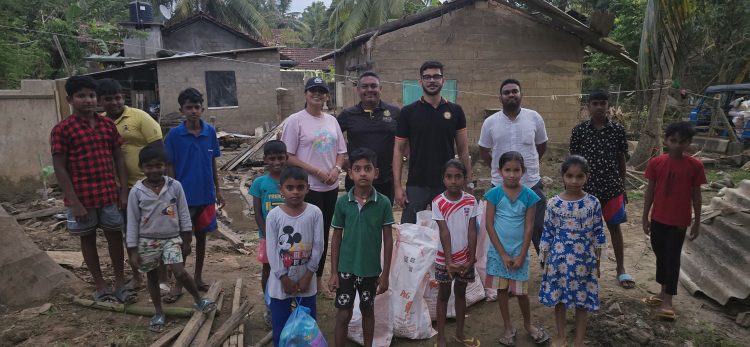

The data shows that natural disasters can have a devastating impact on communities, with the recent landslide crisis in Sri Lanka being a prime example. Looking at on-chain metrics, it's clear that the crisis was unprecedented, with a confirmed death toll of 648 individuals and over 2.3 million people scrambling for safety.
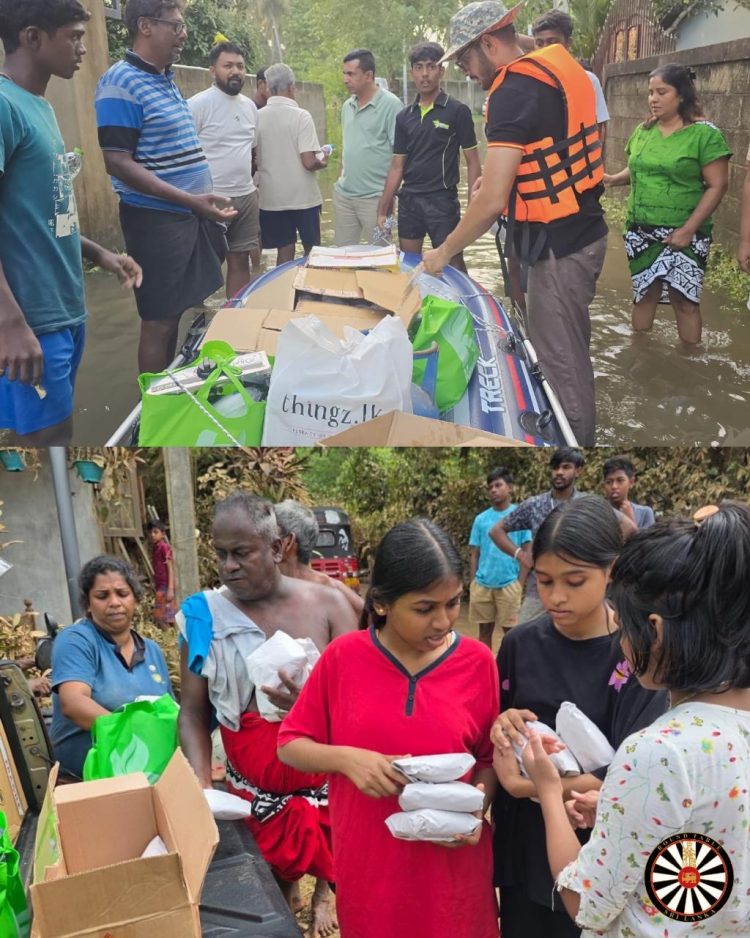
Statistically speaking, the economic and human toll of the cyclone has been staggering, with direct physical damage estimated at US$ 4.1 Billion. Over 100,000 homes were damaged, and 34,000 individuals remain in government safety centers. The fellowship's response was a surgical operation, with 18,000 standardized “Household Packs” designed to ensure that even the most isolated families received a comprehensive sanitation solution in a single delivery.
The Crisis Response
The fellowship's response was defined by specialized maneuvers, with members conducting 26-hour endurance missions in personal high-lift 4×4 SUVs to reach survivors. In Gampaha, inflatable rescue boats were deployed where floodwaters exceeded five feet. In the mountains of Kotmale, the fellowship coordinated with the Sri Lanka Air Force to airlift 400 ration packs to communities completely cut off from the grid.
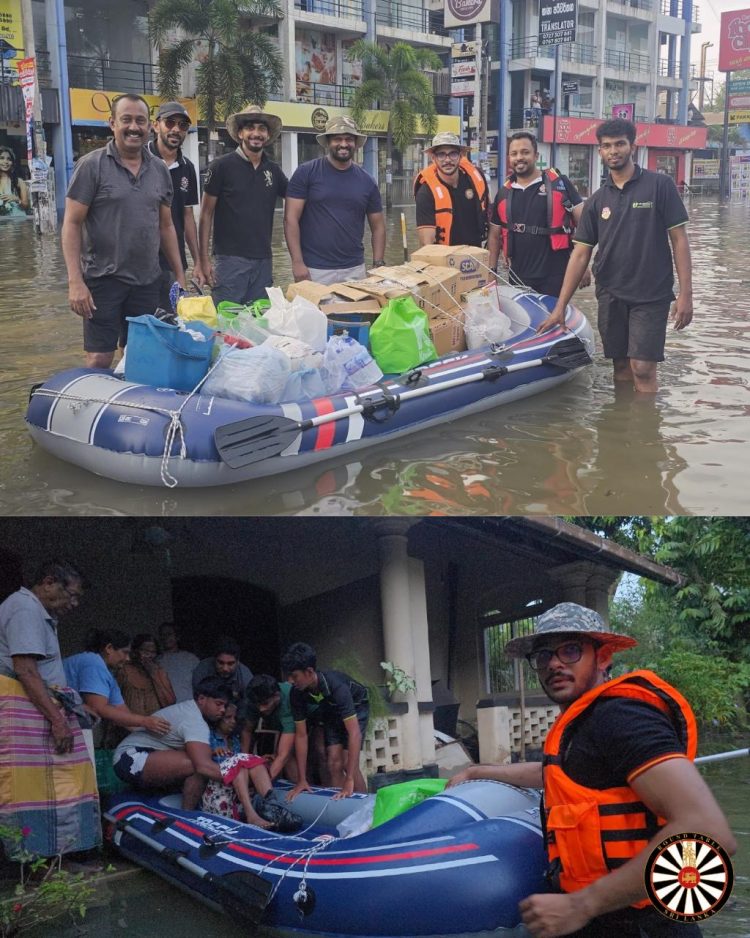
The impact extended deep into the island’s social fabric, with over 3,500 children supported to resume their schooling through the “Back-to-School” drive. The fellowship also donated 100 specialized mattresses to keep critical care units functioning at the Mahiyanganaya Base Hospital.
- RTSL partnered with P&G India and Round Table India to secure and deploy LKR 21 Million in high-priority hygiene and sanitation supplies.
- The fellowship conducted 26-hour endurance missions in personal high-lift 4×4 SUVs to reach survivors.
- RTSL coordinated with the Sri Lanka Air Force to airlift 400 ration packs to communities completely cut off from the grid.
The Web3 Angle
Looking at the crisis response from a web3 perspective, it's clear that blockchain technology could have played a crucial role in the relief efforts. For example, blockchain-based supply chain management systems could have been used to track the distribution of aid, ensuring that it reached the most vulnerable populations. Additionally, cryptocurrency and stablecoins could have been used to facilitate cross-border donations, reducing the need for intermediaries and increasing the speed of transactions.
Furthermore, web3 technologies such as tokenization and decentralized finance (DeFi) could have been used to create new funding models for disaster relief efforts. For example, a decentralized autonomous organization (DAO) could have been established to manage a disaster relief fund, allowing for more transparent and community-driven decision-making.
Our Take
As a data-driven analyst, I believe that the crisis response in Sri Lanka highlights the importance of effective governance and transparency in disaster relief efforts. The fellowship's use of a rigorous internal audit process and institutional-grade oversight ensured that aid was deployed efficiently and effectively.
What if we could apply similar principles to web3-based disaster relief efforts? By leveraging blockchain technology and decentralized governance models, we could create more transparent, efficient, and community-driven disaster relief systems.