
What does it mean to have a digital dollar? Is it just a matter of convenience, or does it represent a fundamental shift in the way we think about money? As someone who's been in the crypto space for a while, I've seen this before - the excitement, the skepticism, the warnings of a potential bubble. But this time, it feels different. The rise of stablecoins, which have just hit a record $322 billion valuation, marks a significant turning point in the evolution of digital money.
Back in 2017, when Bitcoin first started gaining mainstream attention, many people saw it as a speculative asset, a way to make a quick buck. But what many newcomers don't realize is that the real power of crypto lies not in its potential for speculation, but in its ability to create new forms of value and new ways of interacting with money. Stablecoins, which are pegged to the value of a traditional currency, are a perfect example of this. They offer a way to use digital money that's both stable and flexible, making them an attractive option for businesses and individuals alike.
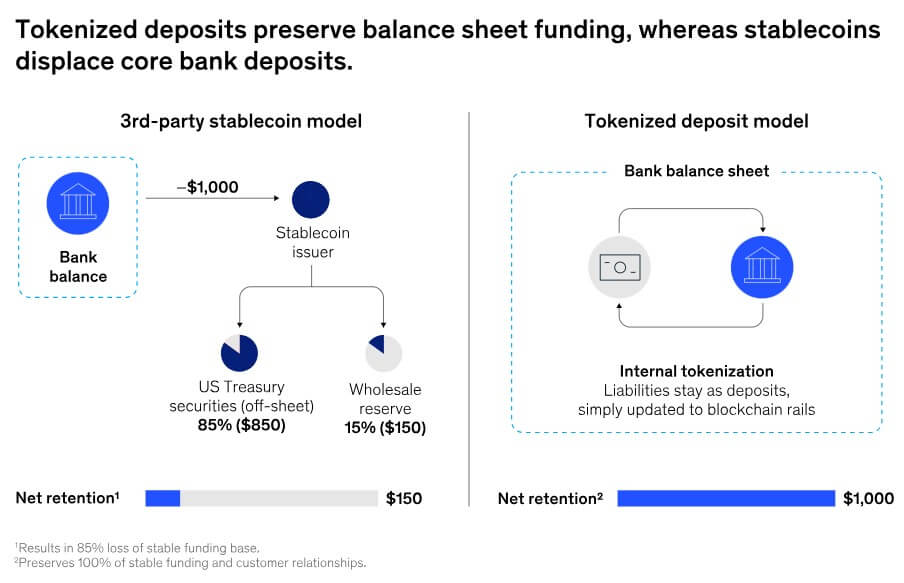
Stablecoins and the Future of Digital Money
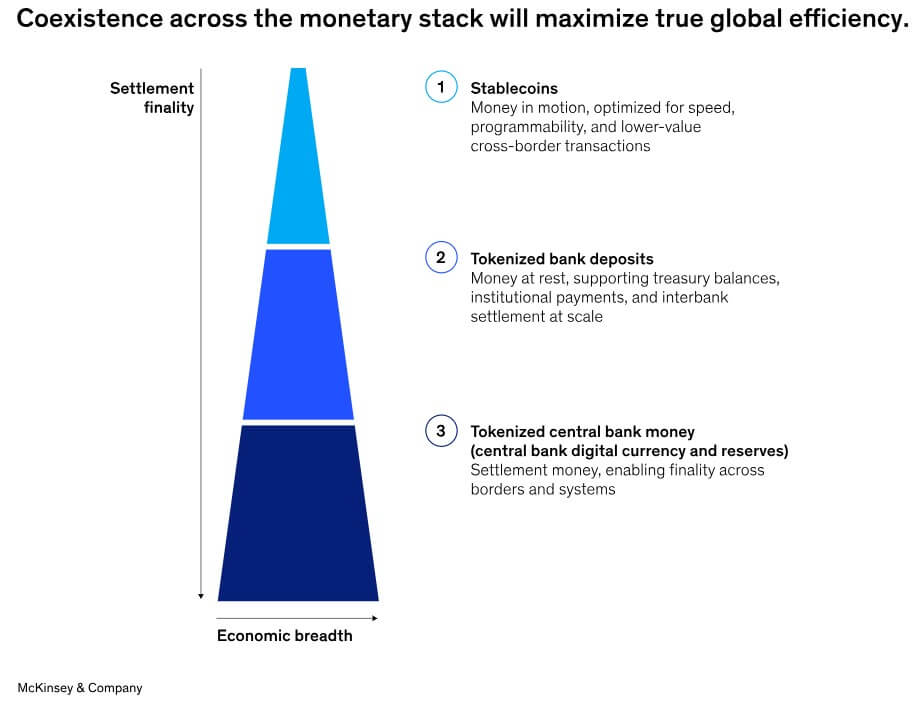
So, what does the future of digital money look like? One possibility is a layered system, with stablecoins, tokenized bank deposits, and central bank digital currencies each playing a unique role. Stablecoins would be used for retail transactions, tokenized bank deposits for corporate finance, and central bank digital currencies for settlement and risk mitigation. This would create a more efficient, more resilient, and more flexible financial system, one that's better equipped to meet the needs of a rapidly changing world.
- Stablecoins: A New Form of Money
- Tokenized Bank Deposits: A New Way of Banking
- Central Bank Digital Currencies: A New Form of Settlement
Of course, this is just one possible vision of the future. The reality is likely to be more complex, more messy, and more contested. But one thing is clear: the rise of digital dollars marks a significant turning point in the evolution of money, and it's going to have far-reaching consequences for finance, for business, and for society as a whole.
Our Take
As someone who's been in the crypto space for a while, I'm excited to see the rise of digital dollars. It's a sign that the industry is maturing, that it's becoming more mainstream, and that it's starting to have a real impact on the world. Of course, there are risks involved, and there are challenges to be overcome. But I believe that the benefits of digital money far outweigh the costs, and that it has the potential to create a more efficient, more resilient, and more flexible financial system.
So, what's the bottom line? The rise of digital dollars is a significant turning point in the evolution of money, and it's going to have far-reaching consequences for finance, for business, and for society as a whole. It's a complex, contested, and rapidly evolving space, but one thing is clear: the future of money is digital, and it's here to stay.