I've seen this before - a traditional industry embracing innovation and disrupting the status quo. Back in 2017, I witnessed the rise of Bitcoin and the impact it had on the financial sector. Now, as I look at the automotive industry, I see similar trends emerging.
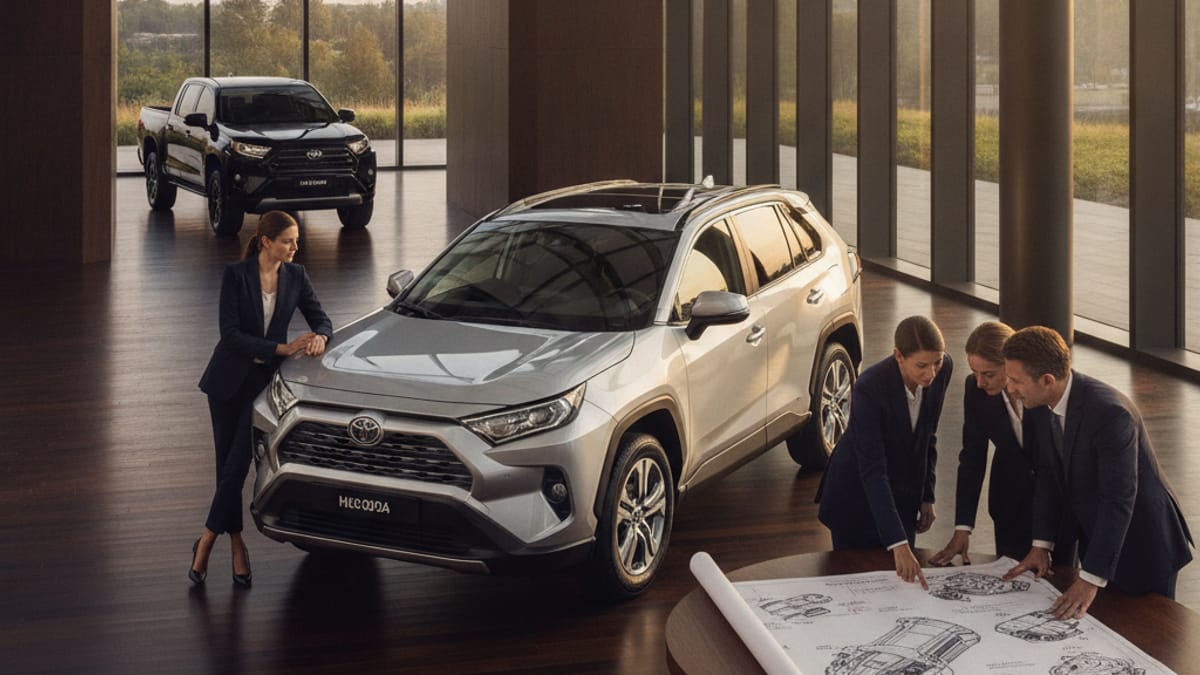
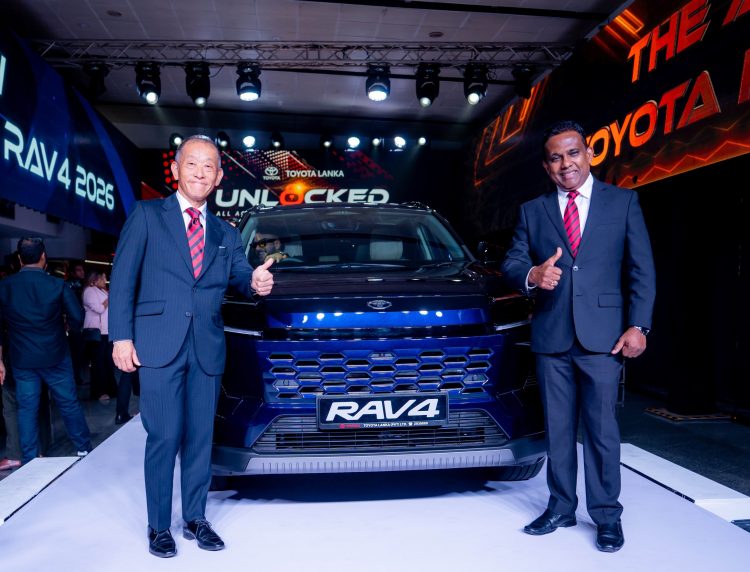
The unveiling of the Toyota Hilux and Toyota RAV4 2026 is not just a launch of new vehicles; it's a statement of intent from Toyota Lanka to stay ahead of the curve. With over 30 years of experience in the Sri Lankan market, Toyota Lanka has consistently demonstrated its commitment to delivering world-class mobility solutions. What many newcomers don't realize is that the automotive industry is on the cusp of a revolution, driven by technological advancements and changing consumer preferences.

The Automotive Industry's Shift Towards Innovation
The automotive industry is undergoing a significant transformation, driven by the rise of electric vehicles, autonomous driving, and connected cars. As a crypto investor, it's essential to consider the potential impact of these trends on the industry. Here are some key points to note:
- The shift towards electric vehicles is expected to drive demand for blockchain-based solutions for charging and energy management
- Autonomous driving will require advanced data analytics and AI, which could be facilitated by blockchain technology
- Connected cars will generate vast amounts of data, which could be secured and managed using blockchain-based solutions
As I look at the Toyota Hilux and Toyota RAV4 2026, I see an opportunity for crypto investors to explore the potential applications of blockchain technology in the automotive industry. With the rise of Web3, we're seeing a new era of decentralized and community-driven innovation, which could have a significant impact on the automotive sector.
The Web3 Angle
The Web3 angle is critical in understanding the potential impact of blockchain technology on the automotive industry. With the rise of decentralized finance (DeFi) and non-fungible tokens (NFTs), we're seeing new opportunities for innovation and disruption. Here are some key takeaways:
- Blockchain-based solutions could enable secure and efficient data management for connected cars
- Decentralized finance (DeFi) could provide new financing options for automotive companies and consumers
- Non-fungible tokens (NFTs) could be used to represent ownership and provenance of vehicles
As a crypto investor, it's essential to stay ahead of the curve and explore the potential applications of blockchain technology in the automotive industry. With the launch of the Toyota Hilux and Toyota RAV4 2026, we're seeing a new era of innovation and disruption in the sector.

Our Take
As a crypto investor, it's essential to consider the potential impact of automotive innovation on the industry. With the rise of Web3 and blockchain technology, we're seeing new opportunities for disruption and innovation. Our take is that the automotive industry is on the cusp of a revolution, and crypto investors should be paying attention.
The launch of the Toyota Hilux and Toyota RAV4 2026 is just the beginning. As we look to the future, we expect to see more innovation and disruption in the automotive sector, driven by blockchain technology and Web3. Stay tuned for more updates and insights from the world of crypto and automotive innovation.