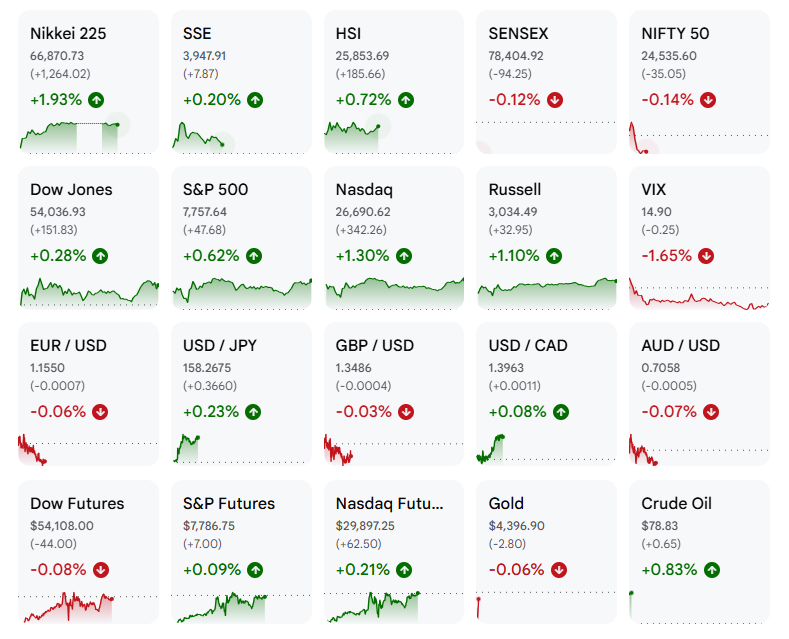
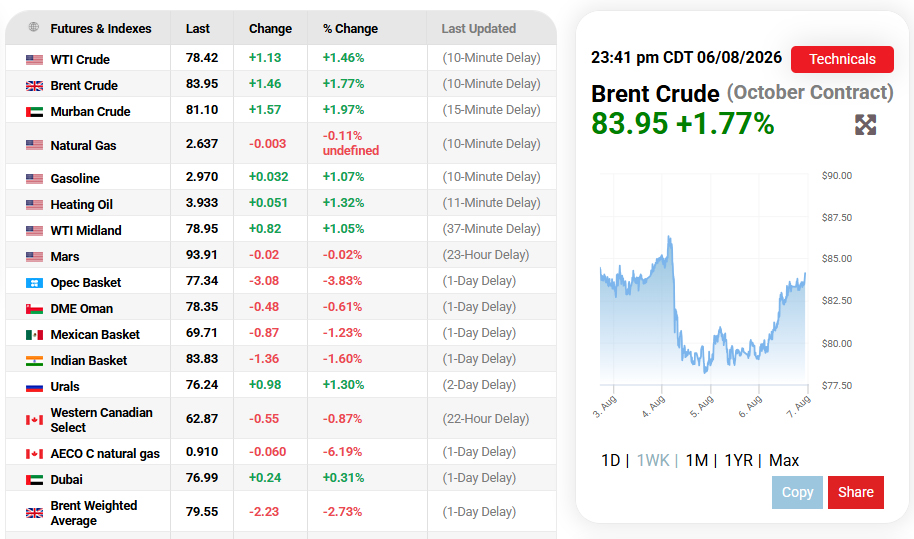
Regulators are signaling that the situation in the Strait of Hormuz is far from resolved, and this has led to a rise in oil prices. The legal framework suggests that the reopening of the strait will be a complex process, with many factors to consider. Compliance-wise, it's clear that the proposed deal is not easily workable due to U.S. sanctions and restrictive insurance clauses on any payments.
The Strait of Hormuz is a critical waterway for oil transportation, and any disruption to the flow of oil through the strait can have significant effects on global oil prices. The situation is being closely watched by analysts, who believe that the hostilities between Iran and the U.S. are not yet over. As Lin Ye, vice president of commodities market – oil at consultancy Rystad Energy, noted, "The proximate trigger is more specific, it's (oil prices) reacting to Iran's published draft plan for Hormuz transit conditions, which would ban U.S. and Israeli vessels and require other 'hostile' countries to pay compensation before passage."
The Current Situation
The current situation in the Strait of Hormuz is complex, with many different factors at play. Iran is seeking fees of between 5% and 7% of the price of cargoes from ships using the strait, while Oman is discussing fees of around 3%. The U.S. is opposed to any fees being paid, which is causing tensions between the two countries. As Vandana Hari, founder of oil market analysis provider Vanda Insights, noted, "This week's signals on a potential Iran-Oman transit deal have driven a roller-coaster ride in market sentiment but as of now, (it is) left it in the dark as to what needs to happen for the agreement to be clinched."
- The Strait of Hormuz is a critical waterway for oil transportation, with around 20% of the world's oil passing through it.
- The reopening of the strait is a complex process, with many different factors to consider.
- The proposed deal is not easily workable due to U.S. sanctions and restrictive insurance clauses on any payments.
The Web3 Angle
So, what does this mean for the world of crypto and web3? The rise in oil prices can have significant effects on the global economy, which can in turn affect the price of cryptocurrencies such as bitcoin and ethereum. Additionally, the use of blockchain technology can help to increase the efficiency and security of oil transportation, which can help to reduce the risks associated with the transportation of oil. As the world becomes increasingly interconnected, the use of web3 technologies such as blockchain and cryptocurrency can help to facilitate international trade and commerce.
- The use of blockchain technology can help to increase the efficiency and security of oil transportation.
- The rise in oil prices can have significant effects on the global economy, which can in turn affect the price of cryptocurrencies.
- The use of web3 technologies such as blockchain and cryptocurrency can help to facilitate international trade and commerce.
Our Take
As a policy wonk who tracks every regulatory development, I believe that the situation in the Strait of Hormuz is a complex one that requires careful consideration. The legal framework suggests that the reopening of the strait will be a difficult process, and compliance-wise, it's clear that the proposed deal is not easily workable. However, the use of web3 technologies such as blockchain and cryptocurrency can help to facilitate international trade and commerce, and can provide a more secure and efficient way of transporting oil. As I always say, "The key to success in any field is to stay informed and adapt to changing circumstances."
In conclusion, the situation in the Strait of Hormuz is a complex one that requires careful consideration. The rise in oil prices can have significant effects on the global economy, and the use of web3 technologies such as blockchain and cryptocurrency can help to facilitate international trade and commerce. As we move forward, it's essential to stay informed and adapt to changing circumstances.