I've seen this before - the delicate dance of geopolitics and oil prices. Back in 2017, I remember the oil market was on edge as tensions between the US and Iran escalated. What many newcomers don't realize is that the oil market is highly sensitive to geopolitical events, and even the slightest hint of instability can send prices soaring.
As I read about the recent Iran-Oman talks, I couldn't help but think of the potential implications for the oil market. The Strait of Hormuz is a critical waterway for oil supplies, and any disruption to traffic could have far-reaching consequences. The proposed deal between Iran and Oman would give Tehran control over ships entering the Gulf through the Strait of Hormuz, a concession that could ease tensions but also raises concerns about Iran's intentions.
The Current State of Oil Prices
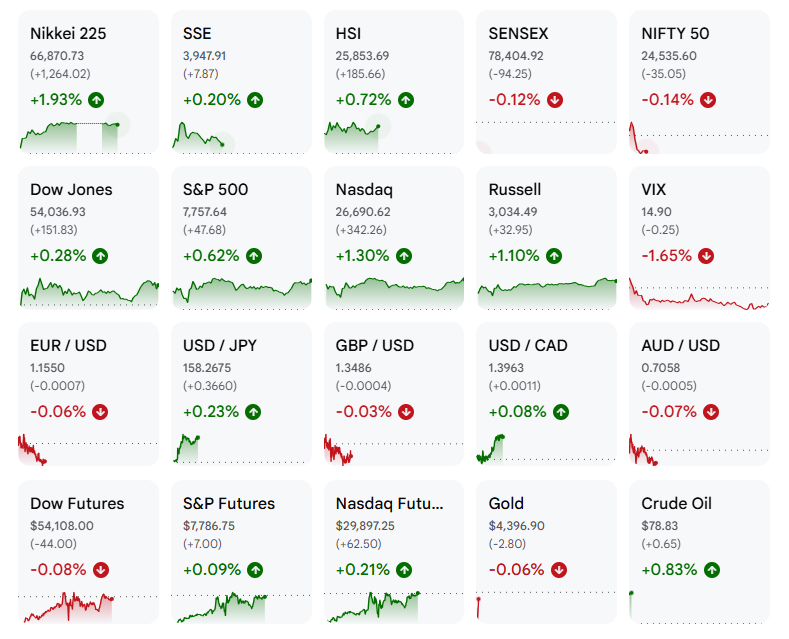
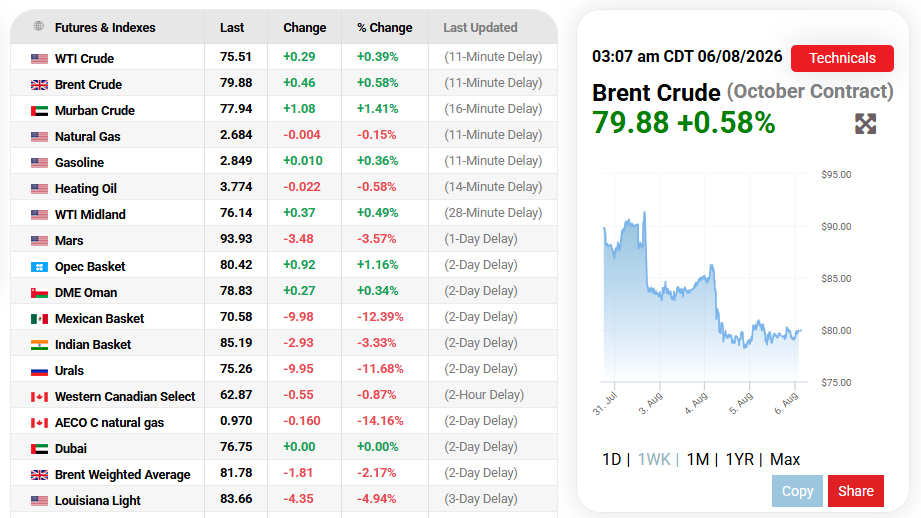
As of Thursday, Brent crude futures had gained 46 cents to $79.91 a barrel, while U.S. West Texas Intermediate futures had added 36 cents to $75.58 a barrel. The prices have returned to the levels seen when the United States and Iran signed an interim peace agreement on June 17. However, investors remain cautious, as the outcome of the Iran-Oman talks is still uncertain, and risks related to military activity and maritime transportation remain firmly in place.
- Brent crude futures gained 46 cents to $79.91 a barrel
- U.S. West Texas Intermediate futures added 36 cents to $75.58 a barrel
- Prices have returned to the levels seen when the US and Iran signed an interim peace agreement on June 17
What's interesting is that the oil market is not just reacting to the Iran-Oman talks, but also to reports of attacks on Saudi tankers in the Red Sea and Gulf of Aden. Yemen's Iran-aligned Houthis have claimed responsibility for the attacks, which could further destabilize the region and disrupt oil supplies.
The Web3 Angle
So, what does this mean for the crypto and web3 world? As I see it, the current situation highlights the need for secure and reliable payment systems, such as those enabled by blockchain technology. With the potential for disruptions to traditional payment systems, cryptocurrencies like Bitcoin and Ethereum could become more attractive as a store of value and a means of exchange.
Moreover, the use of stablecoins and other digital assets could help facilitate cross-border transactions and reduce the risk of supply chain disruptions. As the world becomes increasingly interconnected, the need for secure and efficient payment systems will only grow, and web3 technologies are well-positioned to meet this demand.
- Blockchain technology can enable secure and reliable payment systems
- Cryptocurrencies like Bitcoin and Ethereum could become more attractive as a store of value and means of exchange
- Stablecoins and other digital assets can facilitate cross-border transactions and reduce supply chain risks
Our Take
As a seasoned crypto veteran, I've learned to be cautious when it comes to market predictions. However, one thing is clear - the current situation highlights the need for diversified investment portfolios and a deep understanding of the underlying market dynamics. As we move forward, it's essential to stay informed and adapt to changing market conditions.
In the world of crypto and web3, it's not just about speculation; it's about building a resilient and secure financial system that can withstand the challenges of the future. As I always say, it's not about being right; it's about being prepared.